
McKinney summers test more than your thermostat—they test your wallet. A single misstep when troubleshooting your HVAC can turn a quick fix into a costly repair bill. This post in the HVAC Troubleshooting category is built for local homeowners who want to stay cool without surprise charges.
Too many homeowners reach for a wrench or a quick online fix after a strange clunk or a rise in bills, and guesswork costs more. DIY videos tempt, but misreading a refrigerant issue or an electrical fault is real. Skipping safety steps, chasing after cheap parts, or poking around live circuits can turn a minor hiccup into a major breakdown.
Missed maintenance isn’t free of consequences. In a hot market like McKinney, the wrong call now can leave you sweating through peak season and paying higher energy bills later. A licensed tech who follows proper protocols protects your equipment and your comfort, without the drama.
Keep reading to spot the traps and the smarter moves that save money while keeping your home comfortable in McKinney. You’ll learn when a quick check is enough and when a pro is the safer route. Stick with this guide and uncover the mistakes that quietly chip away at your budget and how to avoid them.
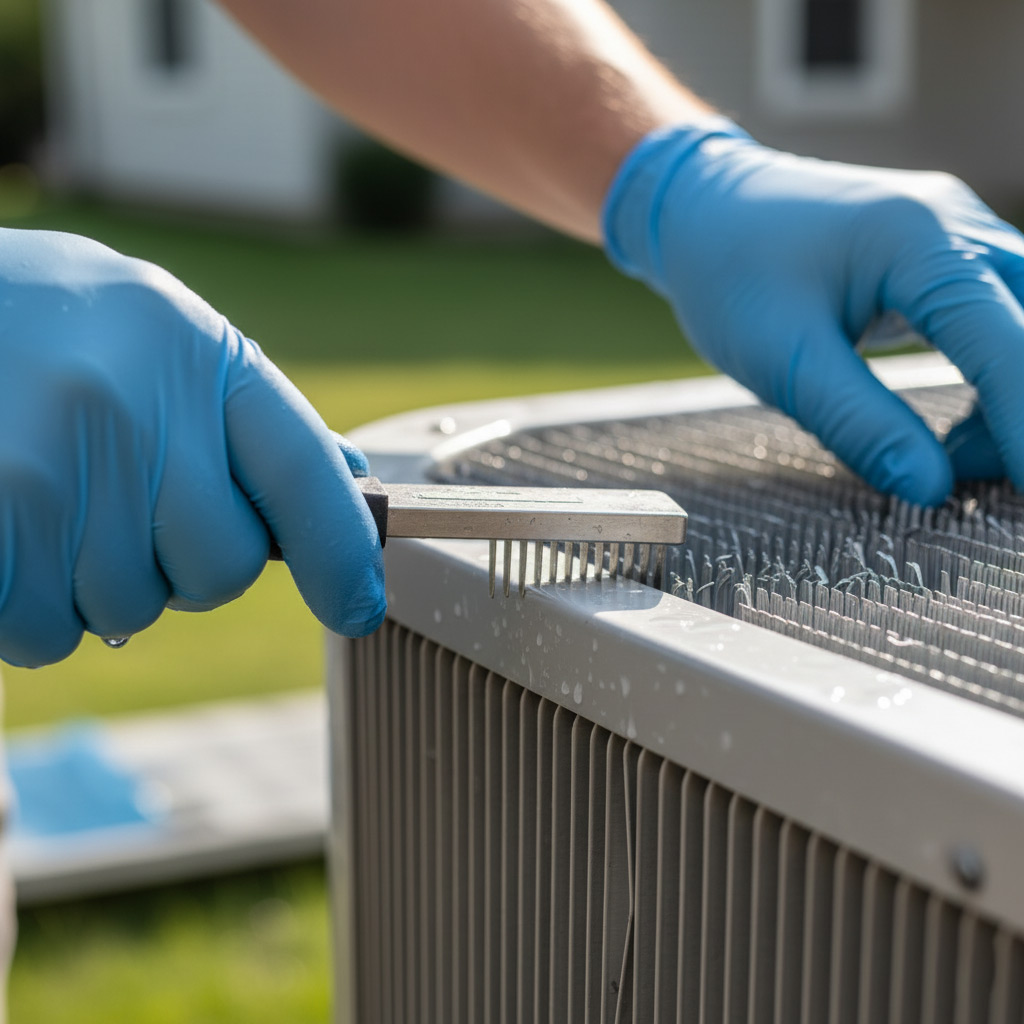
Common McKinney HVAC Troubleshooting Pitfalls for Homeowners
Most homeowners think a clogged filter is the only thing that can choke an A/C. That’s half the story. In McKinney’s heat, a dirty filter can mask deeper issues like a failing blower motor or a refrigerant leak, and chasing the wrong symptom wastes time and money.
Electrical Guesswork
Reaching for the breaker box and flipping switches without a clear plan is a recipe for disaster. Live wires don’t care about your confidence. A mis‑wired capacitor or a shorted thermostat can turn a simple reset into a costly fire hazard.
- Never replace a fuse without confirming the exact amperage.
- Check for tripped GFCI outlets before assuming the whole system is dead.
- Use a multimeter only if you know how to read it; otherwise, call a pro.
Refrigerant Riddles
Seeing ice on the evaporator coil? Most homeowners reach for a DIY “recharge kit” and end up over‑charging the system. Too much refrigerant raises pressure, triggers safety shut‑offs, and can fry the compressor.
In Texas heat, the correct charge is measured in pounds, not “a little more than before.” If you’re not certified, the safest move is to let a licensed tech handle the refrigerant.
Safety First: When DIY Is Safe and When to Call a Pro in McKinney
Know Your Limits
Simple tasks like swapping a dirty air filter or cleaning the condensate drain are low‑risk and can be done in under ten minutes. Just turn off the power, grab a screwdriver, and you’re good. But if you hear a buzzing sound or see scorched wires, stop—this is a red flag.
Electrical and Refrigerant Are Not Playgrounds
Messing with the thermostat’s wiring or trying to “recharge” refrigerant without certification is a recipe for injury and fines. In Texas, only a licensed contractor can handle refrigerant because of EPA rules. Leave those jobs to the pros.
- Check circuit breaker before any inspection.
- Never touch copper tubing without proper tools.
- Call a licensed HVAC tech for any refrigerant leak.
When to Call the Experts
If your system won’t start, makes grinding noises, or the indoor temperature spikes despite a low thermostat setting, it’s time to dial a professional. A trained tech can diagnose compressor issues, motor failures, or hidden duct leaks without risking personal safety. Saving a few bucks now prevents a $1,000 repair later.
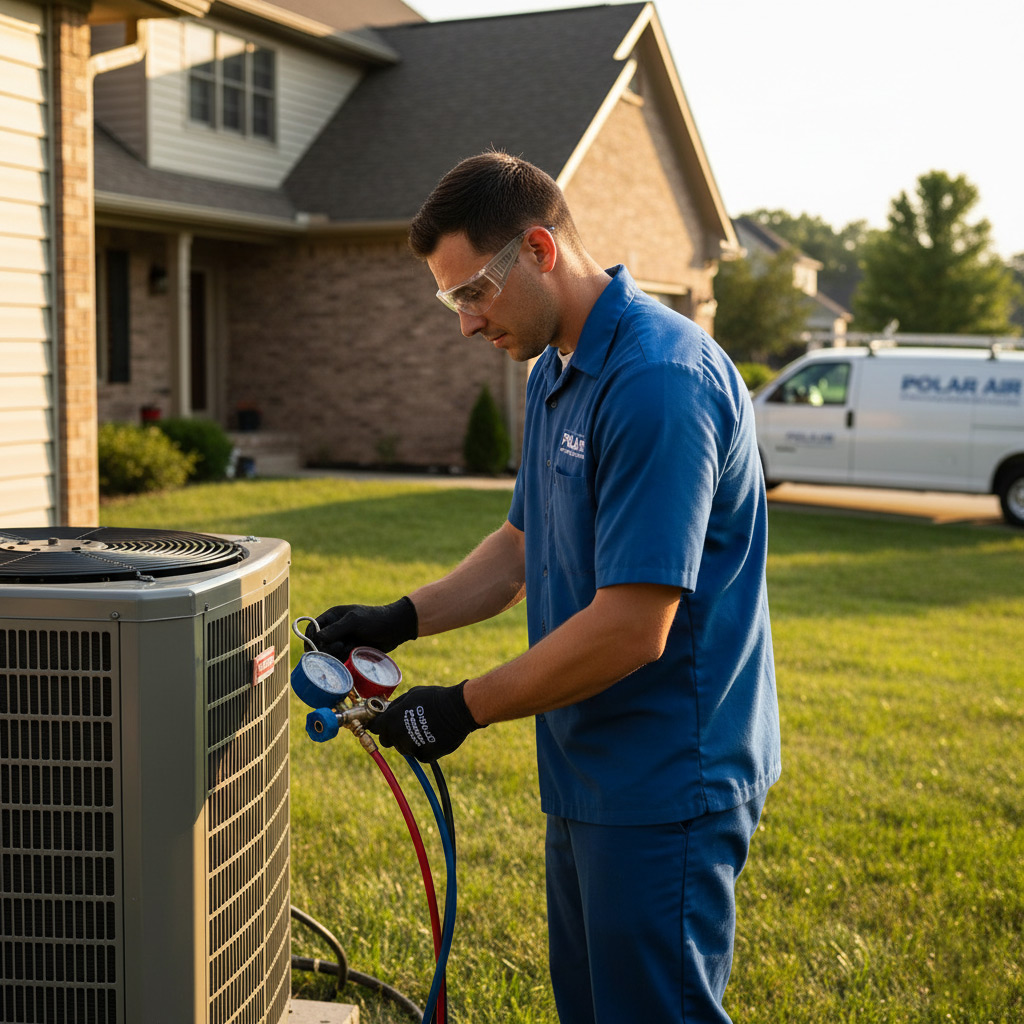
The True Cost of Quick Fixes: Refrigerant, Electrical, and Duct Issues in Texas Heat
Refrigerant Slip‑Ups
Pouring cheap refrigerant into a leaky system may feel like a win, but the bill shows up fast. A single ounce of R‑410A can cost $15‑$20, and a leak‑repair warranty often adds $300‑$500 to the tab.
When the leak isn’t sealed, the compressor works overtime, shaving 10‑15% off your efficiency. That means higher utility bills and a shorter lifespan for the whole unit.
- Leak detection fee: $100‑$150
- Re‑charging refrigerant: $150‑$250
- Potential compressor replacement: $1,200‑$2,500
Electrical Shortcuts
Grabbing a $10 wire nut and hoping for the best is a gamble you don’t want to take under a Texas sun. Bad connections cause voltage spikes that fry capacitors and motors.
One mis‑wired thermostat can trigger a cascade of failures, leading to a service call that easily tops $800.
- Breaker reset fee: $75‑$120
- Motor rewiring: $250‑$400
- Full electrical inspection: $150‑$250
Ductwork Detours
Plugging a hole with duct tape might stop the air for a day, but the leak will keep sucking energy. In McKinney’s heat, every 10% of duct loss adds roughly $30‑$50 to your monthly bill.
Replacing a section of damaged ductwork properly can cost $400‑$800, but it pays for itself in a season or two.
- Sealant and tape (temporary): $20‑$40
- Professional duct sealing: $300‑$600
- Full duct replacement: $800‑$1,500
A Step‑By‑Step Troubleshooting Framework for McKinney Homes
Step 1 – Pinpoint the Symptom
First thing, write down exactly what’s happening. Is the air weak, the temperature off, or is the unit cycling nonstop? Specific details give you a roadmap instead of a guess‑work maze.
- Listen for rattles, clicks, or humming.
- Check the thermostat display for error codes.
- Note any recent spikes in your electric bill.
Step 2 – Isolate the System
Turn off the power at the breaker before you touch anything. This protects you and prevents a small issue from turning into a bigger one.
- Remove the front panel and visually inspect for loose wires or obvious debris.
- Swap the thermostat batteries; a weak battery can masquerade as a system fault.
- Run the fan‑only mode; if airflow improves, the problem likely lies in the cooling cycle.
Step 3 – Verify Before You Call
Run a quick sanity check: reset the unit by turning the breaker off for one minute, then back on. If the problem persists, you’ve got a solid data set to hand to a licensed tech.
- Document the error code and the steps you’ve taken.
- Take a photo of any visible damage or dirty coils.
- Call a McKinney‑based HVAC pro with that info; they’ll thank you for the prep work.

Case Study: Pro-Solved McKinney A/C Breakdown
The Situation
When the Johnson family noticed their living room turning into a sauna at 2 p.m., they grabbed a screwdriver and a YouTube tutorial. Within an hour, the unit was louder, the thermostat flickered, and the electric bill started climbing.
They called us after the DIY attempt left the compressor humming but not cooling. The call was timed right before the peak of July, so every minute counted.
The Diagnosis
Our certified tech arrived, ran a quick visual check, then pulled the diagnostic board. The findings were clear:
- Low refrigerant charge caused the coil to freeze.
- Faulty capacitor was making the fan motor struggle.
- Dirty evaporator coil reduced airflow, raising static pressure.
Each issue alone would have been a headache; together they threatened a full system shutdown.
The Solution & Savings
We tackled the problems in a logical order, avoiding unnecessary part swaps.
- Repaired the leak, reclaimed the lost refrigerant, and performed a proper vacuum‑charge cycle.
- Replaced the capacitor with a manufacturer‑approved unit, restoring motor efficiency.
- Cleaned the coil and inspected the ductwork for leaks, improving airflow by 15%.
The Johnsons walked away with a fully functional A/C, a 30% drop in energy use, and a repair bill that was 40% lower than the estimate they’d gotten from a “quick‑fix” handyman. Their comfort was restored, and the system is now on a preventive maintenance schedule that keeps the heat at bay for the rest of the season.
Preventive Maintenance and Local Climate Prep for Long-Term Savings
Why Seasonal Tune‑Ups Matter
McKinney’s heat swings from “warm” to “oven‑on‑full‑blast” faster than you can say “air‑conditioner.” A quick once‑a‑year check‑up won’t cut it; you need a *seasonal* routine that catches wear before it turns into a bill shock.
- Clean coils before the first June scorch – dust is a silent killer.
- Inspect the condensate drain after every heavy rain; clogs cause water damage and mold.
- Test thermostat calibration when daylight savings rolls around – a mis‑set sensor wastes energy.
McKinney Climate Checklist
Local weather throws curveballs: sudden thunderstorms, dust storms, and those Texas‑style heat spikes. Tailor your maintenance to the climate, not just the machine.
- Filter swap every 30‑45 days during summer; a clogged filter forces the blower to work overtime.
- Check refrigerant pressure after any prolonged high‑humidity spell – low charge means the unit runs hotter.
- Secure outdoor unit clearance; grass and debris act like a blanket, forcing the compressor to overheat.
Locking in Savings
Think of each preventive step as an investment that pays back in lower utility bills and fewer emergency calls. The math is simple: a $150 service now can prevent a $1,200 compressor replacement later.
- Schedule a professional inspection before the peak cooling season – they’ll spot hidden leaks you’d miss.
- Keep a maintenance log; dates and tasks become proof for warranty claims.
- Consider a service contract that includes priority scheduling – you stay cool, and the tech stays on call.
Conclusion
Ready to stop guessing and start saving? The smartest move is to lock in a seasonal tune‑up with a licensed McKinney tech before the next heat wave hits. A quick call for HVAC Troubleshooting now prevents a pricey emergency later, and you’ll get a written checklist that shows exactly what was inspected.
Remember, McKinney’s climate doesn’t wait. By treating your HVAC like a high‑value asset—regular checks, proper parts, and a pro’s eye—you keep comfort high and costs low. When you’re ready, hit the phone or book online and let a local expert handle the heavy lifting.
People Also Ask
What are the most common HVAC troubleshooting mistakes homeowners make in McKinney?
Many homeowners ignore regular filter changes, attempt to fix refrigerant leaks themselves, and reset circuit breakers without proper diagnosis. These shortcuts often lead to larger, costlier repairs down the line.When is it safe to DIY HVAC troubleshooting, and when should I call a professional?
DIY is safe for simple tasks like replacing filters, cleaning vents, and checking thermostat settings. For refrigerant handling, electrical components, or complex airflow issues, always call a licensed HVAC technician.How much can a quick fix cost more in the long run for McKinney’s hot climate?
A temporary fix can double or triple repair costs because it may cause additional strain on the system, leading to higher energy bills and premature component failure. In Texas heat, inefficient units also increase cooling expenses.What step-by-step framework should I follow to troubleshoot my A/C before calling a pro?
Start by checking the thermostat settings, then inspect filters and circuit breakers. Next, examine the outdoor unit for debris and ensure proper airflow, and finally, listen for unusual noises before deciding to call a professional.How does preventive maintenance help avoid costly HVAC breakdowns in McKinney?
Regular maintenance, such as seasonal tune‑ups and coil cleaning, keeps the system running efficiently and catches minor issues early. This proactive approach reduces emergency repairs and extends the lifespan of your HVAC equipment.
McKinney HVAC brings over 15 years of certified heating and cooling expertise to the McKinney community. Their team combines local knowledge with industry‑leading training to deliver reliable, energy‑efficient solutions for homes and businesses. Committed to responsive service, they prioritize comfort and safety for every client.
Need HVAC?
Could you clarify which services your company provides in McKinney, TX and surrounding areas?
Get a Fast HVAC Quote