
Beat the Heat isn’t just a motto for McKinney summers; it’s a demand you can meet with a heat pump you can rely on. When July turns up the heat, a balky system is more than a nuisance—it's a ticket to hot rooms and high bills. This post shares proven heat pump repair tips that keep your home cool without draining your wallet.
You’ll spot red flags fast with a few simple checks you can do yourself. If you hear rattling, notice uneven cooling, or a spike in your energy bill, it’s time to act. We cover what to fix now and when to call a local pro in McKinney.
Small, practical steps add up when the heat stays high. Think dirt on the outdoor coil, blocked airflow, thermostat quirks, and the possibility of refrigerant leaks. Keep the outdoor coil clean and clear of debris, replace the filter regularly, and ensure registers aren’t obstructed so air can move freely.
In McKinney, a few proactive habits now pay off when the sun bears down and your system is tested by long days. This post also helps you pick the right pro if a larger fix is needed, and it shows the exact questions to ask to avoid costly missteps. Read on to get hands-on fixes and a clear plan for keeping your heat pump humming when the temps spike.
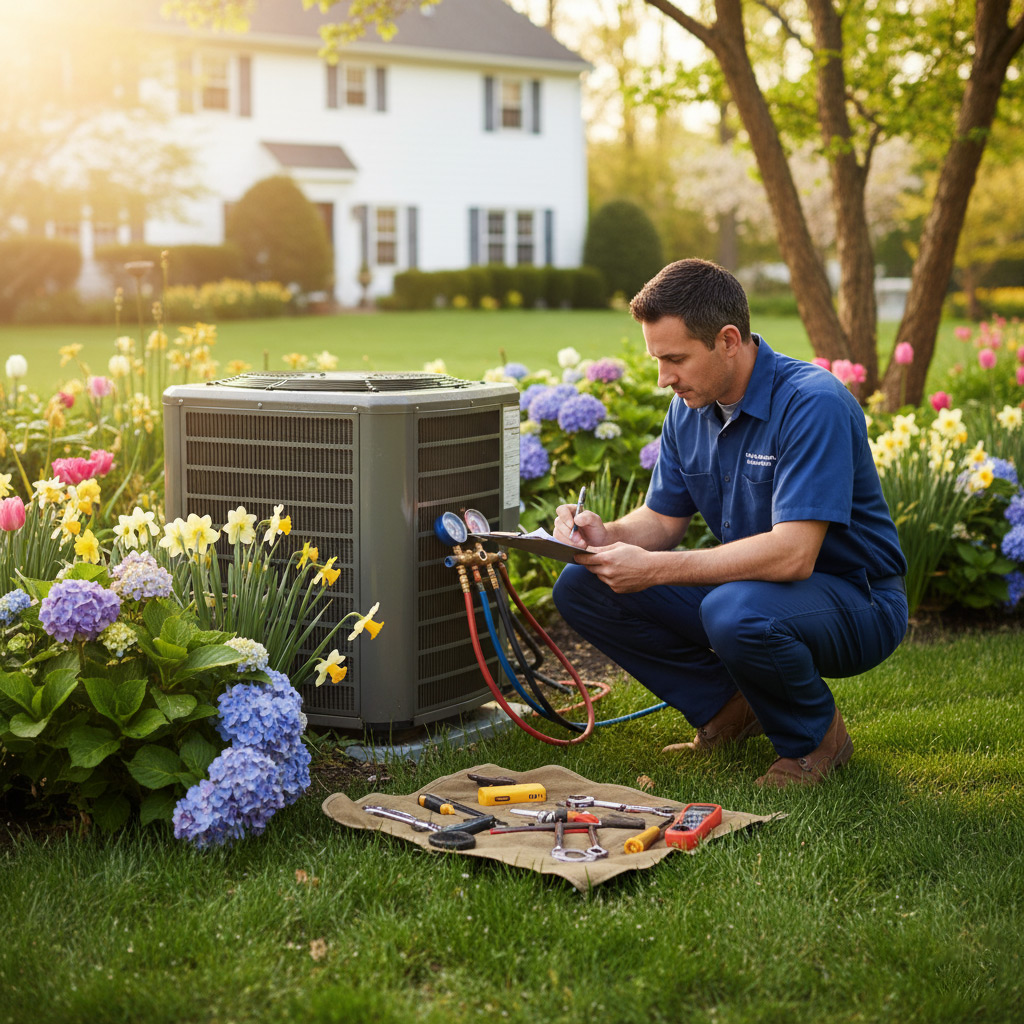
Quick Do-It-Yourself Checks for a Cooling-Ready Heat Pump in McKinney, TX
Power and Settings
First thing’s first: make sure the unit is actually getting power. Flip the breaker back on, then verify the thermostat is set to cool and the fan is on “auto.” If the display is blank, you’ve got a dead circuit or a tripped safety switch.
- Check the home’s main panel for a tripped breaker.
- Reset the thermostat and watch for a steady beep.
- Confirm the outdoor disconnect switch is in the “on” position.
Airflow Basics
Even a brand‑new heat pump can choke if the air can’t move. Pull out the indoor filter; if it looks like a dust bunny, replace it. Then walk around each register—make sure nothing blocks the flow, not even a stray rug.
- Replace filters every 30‑45 days during summer.
- Clear furniture or curtains that sit directly in front of vents.
- Listen for a steady, low hum from the blower; a rattling sound means something’s loose.
Outdoor Unit Visual Scan
Step outside and give the condenser a quick once‑over. Look for leaves, twigs, or lawn debris piled on the coil—those act like a blanket and force the system to work harder. Also, check the clearance: there should be at least two feet of space around the unit for proper airflow.
- Remove visible debris with a garden hose (low pressure only).
- Make sure the fan spins freely; any wobble could signal a motor issue.
- Note any ice buildup—if you see frost, the refrigerant cycle is likely off‑balance.
Improve Airflow and Indoor Comfort: Filters, Ducts, and Vents in McKinney Homes
Filters: The First Line of Defense
In a McKinney home, the filter is the gatekeeper that decides whether dust or cool air reaches your living space. Swap a dirty filter for a fresh one and you’ll feel the difference in minutes.
- Check the filter monthly during summer.
- Use a high‑MERV rating (8‑13) for homes with pets or allergies.
- Replace every 60‑90 days, or sooner if it looks clogged.
Ductwork & Register Check
Leaky ducts are silent money‑suckers; they let conditioned air escape before it hits your rooms. Seal gaps with mastic or foil tape and watch the thermostat settle.
- Inspect visible ducts for dents or holes.
- Make sure every register is fully open—no furniture blocking the flow.
- Consider a professional duct‑blow test if you suspect hidden leaks.
Fine‑Tuning for McKinney Summer
Balancing airflow isn’t rocket science, but it does need a little attention. Adjusting a few registers can eliminate hot spots and keep the whole house at a comfortable temperature.
- Close vents in rarely used rooms by 10‑20% to boost pressure elsewhere.
- Use a smart thermostat to schedule short “boost” cycles during peak heat.
- Schedule a yearly HVAC inspection to catch wear before it becomes a breakdown.
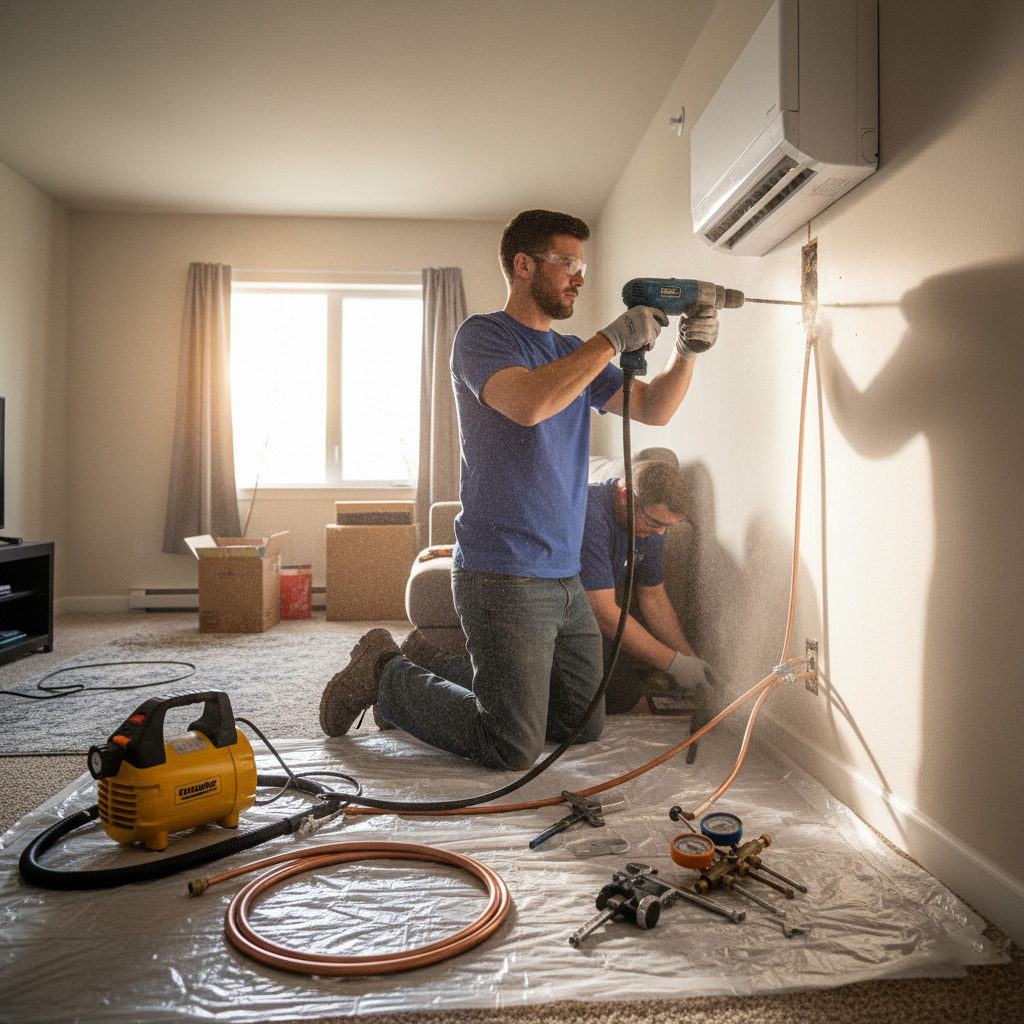
Outdoor Unit Care for Summer Heat: Coil Cleaning, Debris Removal, and Clearances
Step 1: Shut Down and Inspect
First thing – flip the breaker off. Never work on a live unit, or you’ll end up with a nasty shock and a busted pump.
Pull the service panel off and give the coil a once‑over. Look for green slime, rust spots, or any foreign objects stuck in the fins.
- Use a soft brush or a garden hose on a gentle spray.
- Aspirate loose debris with a shop‑vac before you rinse.
- Check the fan blades for bends; a straight blade spins smoother.
Step 2: Clear the Area
McKinney’s summer brings tumbleweeds, pine needles, and the occasional squirrel. Keep a 2‑foot radius free of anything that could block airflow.
Trim back shrubs, pull up weeds, and sweep away leaves. A clean perimeter lets the unit breathe and cuts down on overheating.
- Remove stored items like lawn chairs or grills.
- Make sure the ground is level; a tilted base forces the compressor to work harder.
- Check the clearance behind the unit – at least 12 inches is ideal.
Step 3: Test and Protect
Turn the power back on and run the system on “cool” for a few minutes. Listen for a steady hum and feel the air coming out of the vents – it should be crisp, not weak.
If the unit still sounds off or the temperature spikes, it’s time to call a McKinney pro. A quick professional check can spot hidden refrigerant leaks or electrical gremlins before they blow your budget.
Thermostat Tactics: Scheduling, Zoning, and Smart Controls for Efficient Cooling in McKinney
Set It and Forget It (Almost)
Program your thermostat to match your daily rhythm, not the thermostat’s. A simple “away” schedule cuts the compressor’s run‑time by up to 30 % on a typical summer day.
- Morning wake‑up: 78°F for 30 minutes, then drop to 80°F while you’re out.
- Evening return: 74°F for the first hour, then settle at 78°F.
- Weekend “stay‑home” mode: 76°F all day, but raise to 80°F after 10 PM.
Keep the program consistent; the system learns faster and won’t waste energy hunting a moving target.
Zone Your Comfort
Not every room needs the same temperature. If your master suite gets a breeze from a screened porch, let it run a degree warmer while the den stays cool.
- Install motorized dampers or use a multi‑zone thermostat.
- Close vents in rarely used rooms; open them in occupied spaces.
- Pair each zone with a dedicated sensor for real‑time feedback.
Targeted cooling means the heat pump works less, and your electric bill drops faster than a Texas thunderstorm.
Smart Thermostats: Your New Wingman
Modern thermostats do more than turn the fan on and off—they read your habits, the weather, and even your phone’s GPS.
- Enable “geofencing” so the system knows when you’re home.
- Activate “learning mode” to let the unit auto‑adjust based on past usage.
- Integrate with Alexa or Google Assistant for voice‑controlled tweaks.
When the thermostat talks to the heat pump, you get precise cooling without the guesswork, and you keep McKinney’s summer heat at bay.
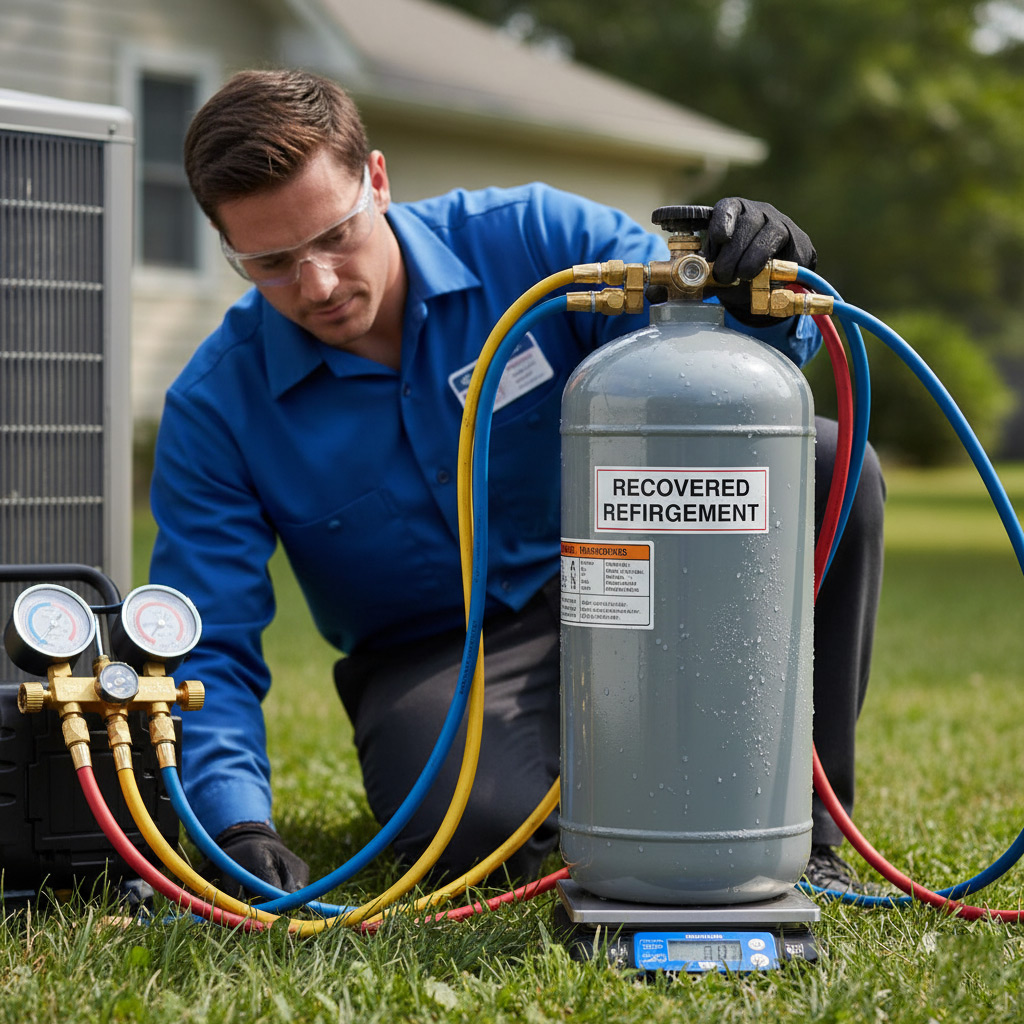
Recognizing When You Need a Pro: Refrigerant Leaks, Electrical Issues, and Safety Boundaries in McKinney
Refrigerant Leaks
When the heat pump starts to sound like a wheezing old man, it’s often a refrigerant leak. Look for ice buildup on the coils, warm air blowing from vents, or a faint hissing noise. If you spot any of these, call a certified tech before the system runs dry.
- Ice forming on indoor or outdoor coils
- Warm air from vents despite a low thermostat setting
- Visible oil spots around connections
Electrical Issues
A flickering light or a tripping breaker signals an electrical fault that shouldn’t be DIY’d. Loose wires, burnt smells, or a breaker that trips every time the unit starts are warning signs. Let a licensed electrician handle the wiring to avoid a fire hazard.
- Breaker trips repeatedly when the unit starts
- Burnt odor near the control board
- Corroded or loose wires in the service panel
Safety Boundaries
Some problems cross the line from “fixable” to danger zone. If you notice exposed wiring, grinding noises, or water pooling around the unit, shut the system off and call a pro right away. Your safety and the home’s integrity are non‑negotiable.
- Exposed wiring or cracked insulation
- Unusual grinding or metal‑on‑metal sounds
- Water pooling or signs of corrosion around the outdoor unit
Case Study: Restoring Reliability and Lower Bills with a Targeted Heat Pump Repair in McKinney
When the Johnson family noticed their heat pump sputtering on a 95‑degree July day, the electric bill jumped like a jack‑rabbit. They weren’t looking for a brand‑new system, just a fix that would get the house back to a comfortable 72 degrees without the wallet screaming. A quick call to a local McKinney tech set the stage for a three‑day turnaround.
What We Fixed
The technician ran a focused diagnostic and uncovered three culprits:
- Clogged outdoor coil – a layer of dust and pine needles was choking airflow.
- Leaky refrigerant line – a tiny pinhole was causing the system to lose pressure.
- Worn fan motor capacitor – the motor was grinding, reducing efficiency.
Each issue got a targeted solution. The coil was gently brushed and rinsed, the refrigerant line was sealed and re‑charged to factory specs, and the capacitor was swapped for a new, high‑efficiency unit.
Within 48 hours the Johnsons saw a 30% drop in their monthly energy cost and the house stayed cool even as the sun blazed. “It feels like we got a brand‑new system for half the price,” they said, smiling at the lower bill. The repair not only restored comfort but also extended the heat pump’s life by years, proving that a smart, focused fix beats a costly replacement every time.
Conclusion
Keeping your heat pump in top shape isn’t a one‑time event; it’s a habit you build every spring and summer. When you treat the system like a car—regular check‑ups, clean parts, and quick fixes—you’ll dodge the dreaded “heat wave surprise” and keep those energy bills in check.
Quick Action Checklist
- Swap the air filter every 30‑45 days or sooner if you have pets.
- Clear debris from the outdoor coil; a garden hose works fine.
- Verify that all registers are open and unobstructed.
- Program your thermostat for a “away” schedule when you’re not home.
- Listen for rattles or hissing—those are signs you need a pro.
If anything feels off, don’t gamble. A licensed McKinney technician can spot a refrigerant leak, fix electrical quirks, and make sure your system runs safely. A few minutes of attention now saves you hours of sweating later.
People Also Ask
How often should I clean my heat pump’s outdoor coil in McKinney?
Cleaning the outdoor coil every 3‑4 months during the hot season helps maintain efficiency and prevents overheating. Use a soft brush or low‑pressure hose, and avoid damaging the fins.What filter rating is best for a McKinney home’s heat pump?
A MERV 8‑11 filter balances airflow and particle capture for typical residential use. Higher MERV ratings can restrict airflow and strain the system.Can a smart thermostat lower my heat pump’s energy bills in Texas?
Yes, a smart thermostat can optimize start‑up times, adjust temperatures based on occupancy, and provide detailed usage reports, often reducing cooling costs by 10‑15 %. Ensure it’s compatible with your heat pump model.When is a refrigerant leak a sign I need professional service?
If you notice reduced cooling, ice on the coils, or the system runs longer than usual, a refrigerant leak is likely. Only a licensed technician should handle refrigerant repairs due to EPA regulations.What safety signs indicate I should turn off my heat pump and call a pro?
Sparks, burning smells, frequent tripping of circuit breakers, or unusual noises are red flags. Power down the unit immediately and contact a qualified HVAC service.
McKinney HVAC brings over 20 years of certified heating and cooling expertise to the McKinney community. Their team combines local knowledge with industry‑leading training to deliver reliable, energy‑efficient solutions for homes and businesses. Committed to responsive service, they prioritize comfort and safety for every client.
Need HVAC?
Could you clarify which services your company provides in McKinney, TX and surrounding areas?
Get a Fast HVAC Quote