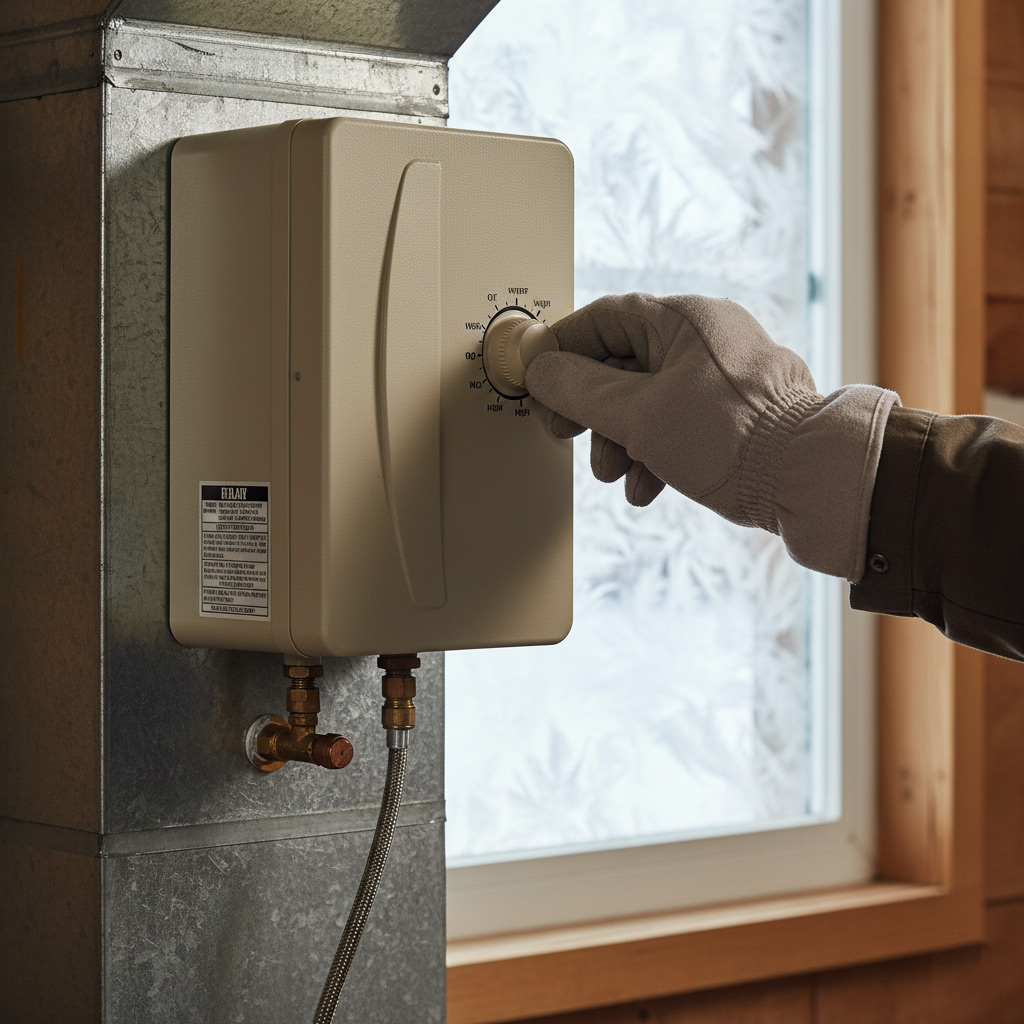
If your furnace could talk, it would beg you to call the right pro before the cold hits McKinney. In this town, the locals who sleep warm are the ones who plan ahead, not the ones who hope it holds up. Here’s how they do it differently when a gas furnace repair is on the radar.
Smart locals insist on a licensed technician who treats safety as baseline. They demand a full diagnostic of the heat exchanger, venting, and gas pressure, because a small leak or misadjustment can throw the whole system off. That upfront check helps catch what's invisible to the eye and keeps your home out of the cold.
These locals lock in a simple habit: a yearly tune-up with a trusted tech, plus a plan that covers parts and emergencies. They aren’t chasing cheap fixes; they’re investing in reliability when it matters most in McKinney winters.
Beyond fixes, they stay plugged into the signs: pilot light color, odd noises, and uneven heat. With a quick call to a local pro, they convert a potential breakdown into a controlled maintenance window. Keep reading to see the exact moves smart locals use to keep gas furnaces singing through McKinney winters.
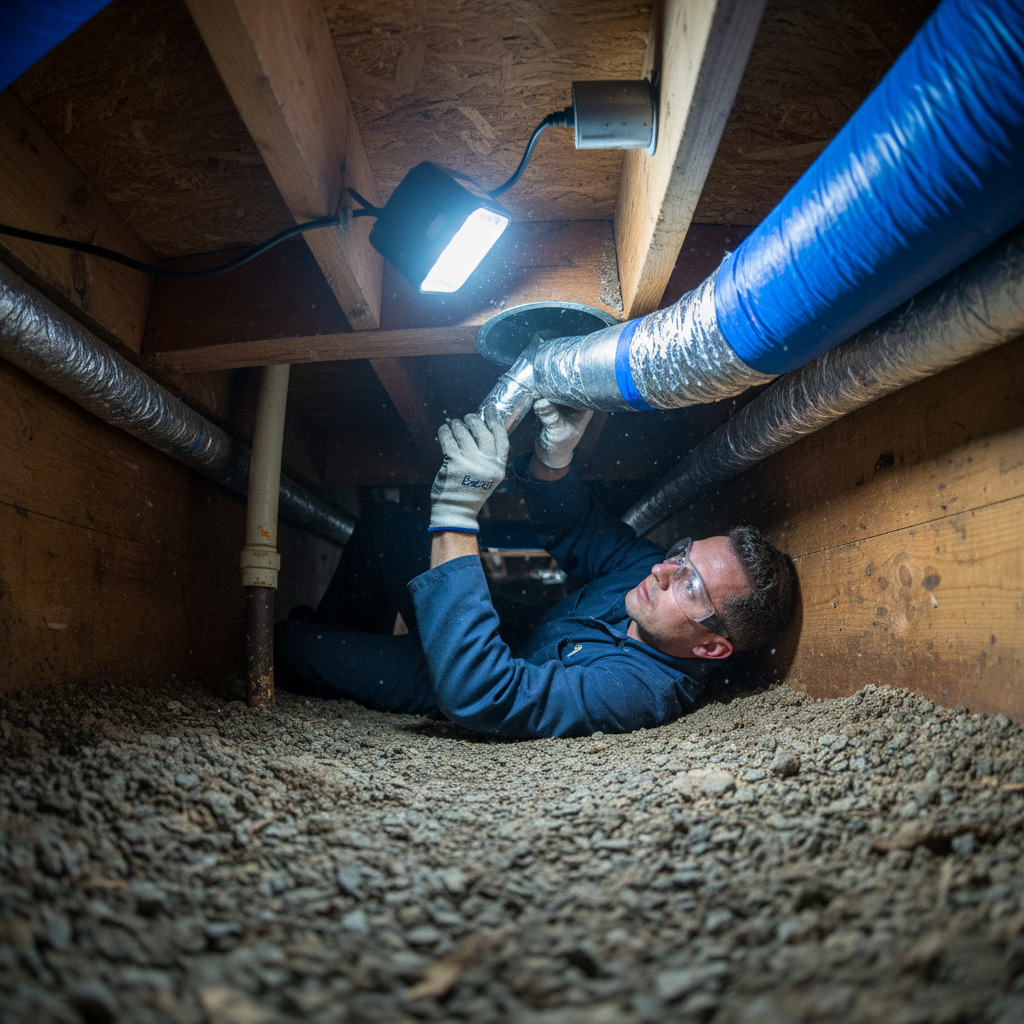
Gas Furnace Repair in McKinney, TX: Hiring a Licensed Technician
When the temperature drops, you need a tech who knows the code inside out. A licensed furnace specialist brings the legal clearance, the insurance backing, and the training that keeps your home safe. In McKinney, the licensing board checks every technician for proper handling of gas, combustion, and electrical components.
Why a License Matters
- Safety first – Licensed pros follow Texas State Safety Standards for gas appliances.
- Compliance guaranteed – They pull the right permits, so you won’t face surprise fines.
- Peace of mind – Their insurance covers accidental damage during the repair.
Choosing an unlicensed handyman might save a few bucks today, but it can cost you big later. A faulty connection can lead to carbon monoxide leaks, fire hazards, or a failed inspection when you try to sell. The smart locals in McKinney skip the gamble and call a certified technician who treats every repair as a job that must pass a strict checklist.
What a Full Diagnostic Covers: Heat Exchanger, Venting, and Gas Pressure
Heat Exchanger Inspection
First, the tech shines a bright light into the heart of the furnace. Cracks, corrosion, or soot buildup are spotted before they become a carbon‑monoxide nightmare.
They run a combustion analysis to verify that the flame is clean and blue. A quick visual check plus a pressure test tells you if the metal is still trustworthy.
- Visual crack detection
- Combustion gas reading
- Temperature differentials across the exchanger
Venting System Check
The vent pipes are the furnace’s lungs; a blocked airway can choke the whole system. Technicians pull a flexible camera through the flue to hunt for debris or rust.
They also verify that the vent termination is clear of snow, leaves, or animal nests. A proper draft ensures safe exhaust and efficient heat.
- Camera inspection of flue interior
- Draft measurement
- Seal and connection verification
Gas Pressure & Flow Test
Gas pressure is the fuel line’s lifeblood. The pro attaches a manometer and watches the numbers settle within the manufacturer’s specs.
If the pressure is off, they’ll adjust the regulator or replace a faulty valve. This step stops uneven heating and protects the heat exchanger from overheating.
- Manometer reading at the burner
- Regulator adjustment
- Leak detection with a soap‑solution test
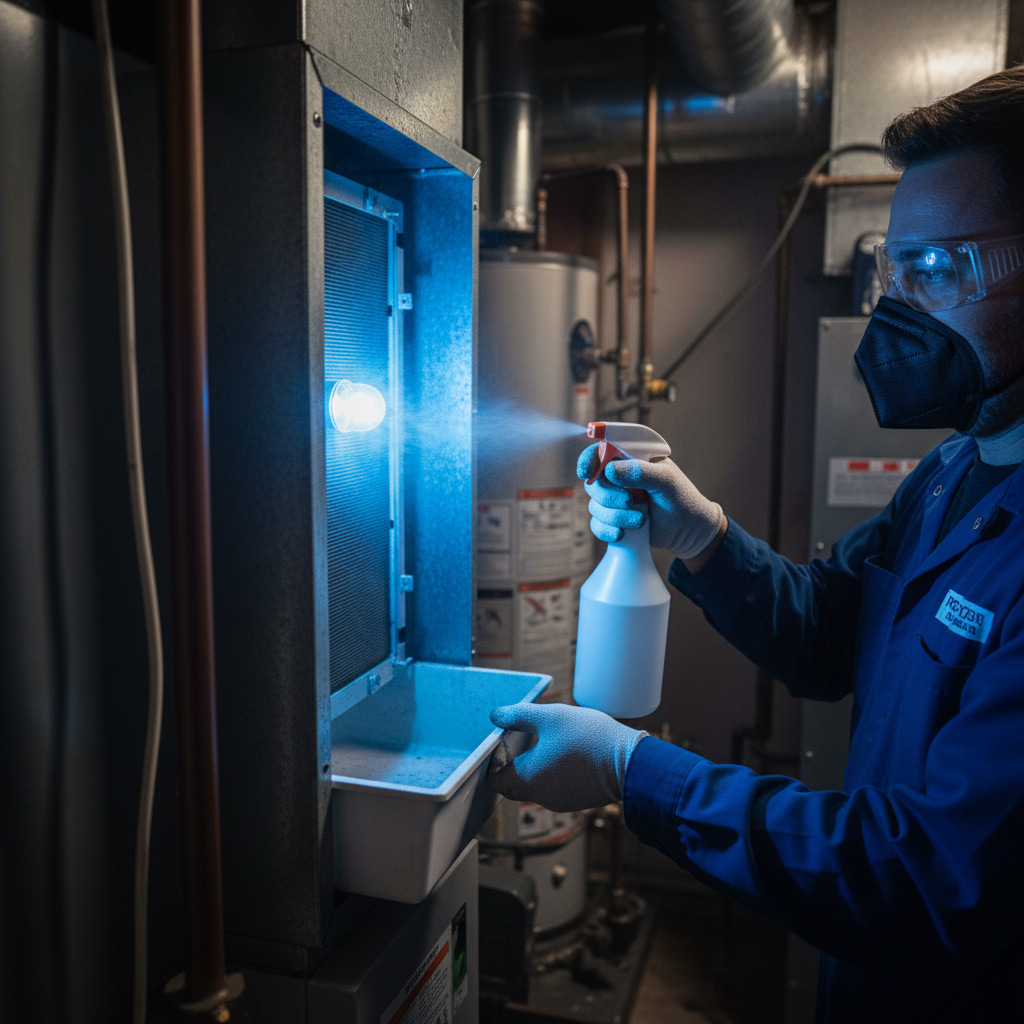
Safety and Compliance: Codes, Permits, and Safe Gas Handling in Texas
Know the Code
Texas law treats gas furnaces like a high‑stakes poker game – you can’t bluff your way through it. A licensed tech must follow the International Fuel Gas Code (IFGC) and the state‑specific Texas Mechanical Code. Ignoring these rules can cost you fines, a failed inspection, or worse, a dangerous leak.
- Clearances around the furnace must meet exact measurements.
- Vent pipes need the right material and slope.
- Gas pressure settings are locked in by code, not guesswork.
Permit Process
Before any wrench turns, the city of McKinney expects a permit. It’s a simple paperwork step that protects you and the contractor. The permit triggers an inspection, so you know the job is done right the first time.
- Submit a detailed scope of work.
- Pay the modest fee – usually under $100.
- Schedule the final inspection within 30 days of completion.
Safe Gas Practices
Even a tiny crack in a line can turn a cozy night into a nightmare. Smart locals demand that their tech use a certified leak detector and perform a pressure test before sealing anything up. The result? Peace of mind and a furnace that runs clean.
- Check for the smell of sulfur – a red flag.
- Verify that the venting system drafts properly.
- Confirm the flame sensor reads a steady blue flame.
The Smart Local Maintenance Plan: Annual Tune‑Ups and Parts/Emergencies
Why an Annual Tune‑Up Pays Off
McKinney winters don’t wait, so a once‑a‑year check‑up keeps the furnace humming before the first frost hits. Spotting a cracked heat exchanger early saves a bundle on replacement. A quick visual, a pressure test, and a clean blower coil keep efficiency high and bills low.
- Inspect burners for soot buildup.
- Test gas pressure and safety switches.
- Calibrate the thermostat for accurate room‑temp control.
Parts & Emergency Coverage
Smart locals lock in a service agreement that covers the “what‑ifs.” When a part fails mid‑night, the tech is already on call, and the price tag is pre‑approved. No surprise invoices, just a quick fix.
- Replacement heat‑exchanger caps.
- Burner assemblies and igniters.
- Priority dispatch for 24/7 emergencies.
Scheduling is a breeze: a single phone call in the spring sets the date for the summer, and the contract rolls over automatically each year. That’s the kind of predictability that lets you sleep warm.
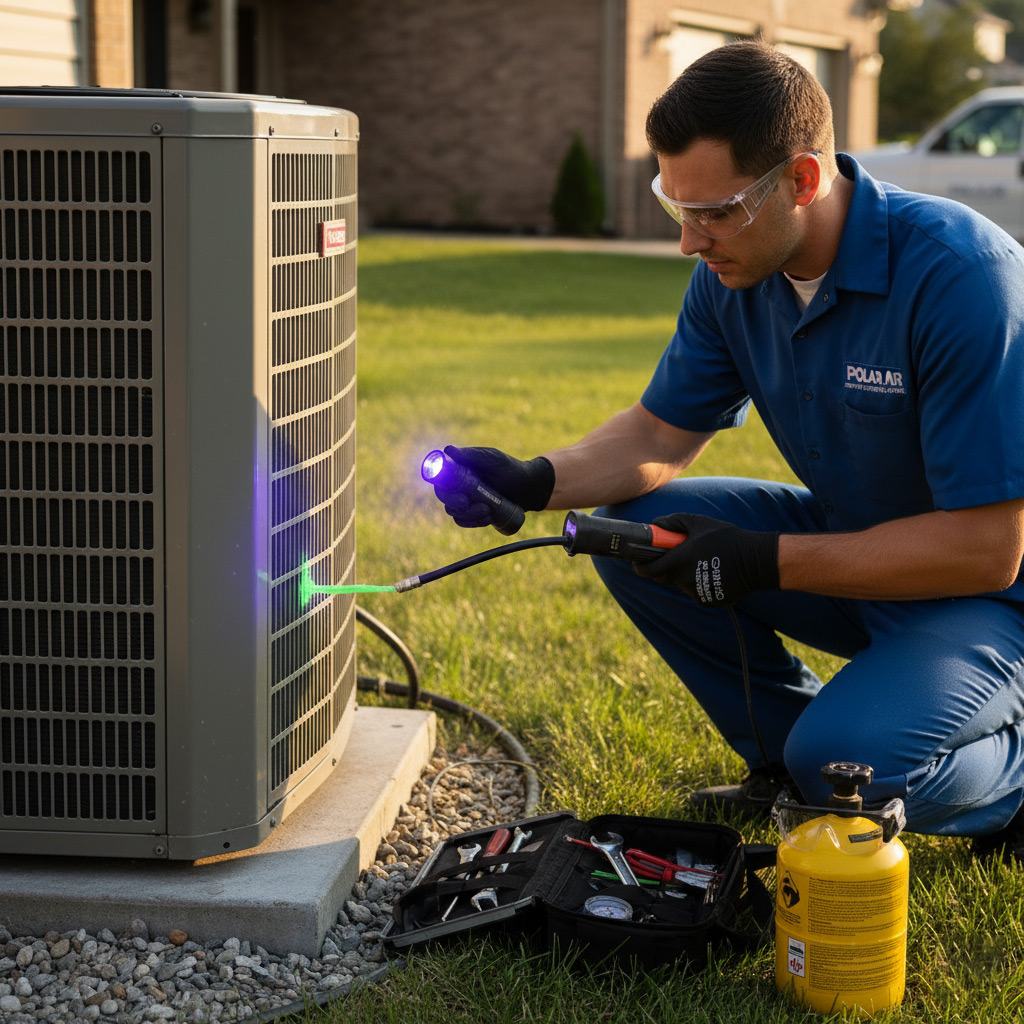
Spotting Early Warning Signs: Pilot Light Color, Noises, and Uneven Heat
In McKinney, a furnace that whispers before it shouts can save you a bundle. Catching the clues early means you stay warm without scrambling for a last‑minute repair. Think of it as a simple health check for your home’s heart.
Pilot Light Color
The pilot should burn a steady, blue flame. If you see yellow or orange tips, that’s a red flag—indicating incomplete combustion and possible carbon monoxide risk.
- Blue flame: clean burn, all good.
- Yellow/orange: dirty burner, needs cleaning.
- Flickering flame: gas pressure issue, call a pro.
Unusual Noises
Every furnace has a sound signature, but rattles, squeals, or grinding aren’t normal. Those noises often point to loose panels, a failing blower motor, or a cracked heat exchanger.
- Buzzing: electrical problem.
- Rattling: loose ductwork or fan blade.
- Squealing: motor bearings wearing out.
Uneven Heat Distribution
If one room feels like a sauna while the next is a freezer, the system’s balance is off. Common culprits are clogged filters, blocked vents, or a malfunctioning thermostat.
- Check filters first—dirty filters choke airflow.
- Make sure vents aren’t covered by furniture.
- Thermostat miscalibration? Reset or replace.
Case Study: McKinney Gas Furnace Repair That Restored Winter Comfort
The Problem
When the Johnson family noticed a flickering orange pilot light and a sudden drop in bedroom temperature, they called a local tech. The furnace was sputtering, making a high‑pitched whine, and the thermostat refused to stay above 65°F.
Key symptoms they reported:
- Uneven heat distribution across rooms
- Unusual noises during startup
- Pilot light that looked “off‑color”
The Solution
Our licensed technician performed a full diagnostic, starting with the heat exchanger. He found a hairline crack that was leaking combustion gases into the plenum.
He then:
- Replaced the cracked heat exchanger with a factory‑approved unit
- Adjusted gas pressure to meet Texas state specifications
- Cleaned and reseated the venting system to restore proper airflow
All work was done under the required permits, and the tech ran a pressure test to confirm zero leaks.
The Result
Within an hour, the furnace roared back to life, delivering steady, even heat throughout the house. The Johnsons reported a noticeable drop in their energy bill and a comfortable indoor temperature that stayed consistent all night.
They signed up for an annual maintenance plan, locking in priority service and discounted parts. Now, every winter, they sleep soundly knowing a trusted pro is just a phone call away.
Conclusion
When the temperature drops, the smartest McKinney homeowners don’t gamble on guesswork—they lock in a licensed pro, demand a full diagnostic, and stick to a maintenance rhythm that catches trouble before it freezes your comfort. That habit turns a potential furnace nightmare into a predictable, budget‑friendly routine.
What to Do Next
- Schedule your annual tune‑up before the first frost.
- Ask the technician to run a heat‑exchanger integrity test and verify gas pressure.
- Keep a maintenance log handy; note pilot‑light color, odd noises, and uneven heat spots.
Need a trusted partner who lives and works in McKinney? Click the link below to explore our full suite of services, including the Gas Furnace Repair you can count on year after year.
People Also Ask
What should I look for when hiring a licensed furnace technician in McKinney?
A licensed technician will have a Texas HVAC contractor’s license, proof of insurance, and positive local reviews. Verify their certification and ask for a written estimate before any work begins.How does a full diagnostic differ from a simple repair call?
A full diagnostic examines the heat exchanger, venting system, and gas pressure to pinpoint the root cause. This comprehensive check prevents recurring issues and ensures the furnace operates safely and efficiently.Why are permits and code compliance important for furnace repairs in Texas?
Permits guarantee that work meets state and local safety codes, protecting your home from hazards like gas leaks or carbon monoxide exposure. Proper compliance also safeguards your warranty and insurance coverage.What are the key signs that my furnace needs immediate repair?
Watch for a flickering or yellow pilot light, unusual banging or squealing noises, and uneven heating across rooms. These symptoms often indicate a failing heat exchanger, gas pressure problem, or ventilation issue.How can an annual maintenance plan save me money on furnace repairs?
Regular tune‑ups catch wear‑and‑tear early, reducing the likelihood of costly emergency repairs. Many plans also include discounted parts and priority service, extending the life of your furnace.
McKinney HVAC brings over 15 years of certified heating and cooling expertise to the McKinney community. Their team combines local knowledge with industry‑leading training to ensure reliable, energy‑efficient solutions for homes and businesses. Committed to responsive service, they prioritize comfort and safety for every client.
Need HVAC?
Could you clarify which services your company provides in McKinney, TX and surrounding areas?
Get a Fast HVAC Quote