
What if the secret to a perfectly cooled McKinney home isn’t the size of the unit, but the plan behind it? In the furnace of Texas summers, comfort comes from smart design, not loud claims. This post digs into how top pros approach HVAC System Design in McKinney, TX.
In McKinney, TX, successful HVAC System Design means more than buying a big compressor. It starts with precise load calculations (Manual J), followed by duct routing that keeps air moving where it should. The result is a system that handles heat spikes, keeps humidity in check, and stays comfortable through every season.
Here’s the inside track they rarely spill: the right design reduces how often the furnace fires up, and duct sealing matters as much as the choice of equipment. A well-tuned system breathes easier in a vaulted attic and keeps rooms within a comfortable range without screaming at you on July afternoons.
Read on and you’ll see how proper design lowers noise, prevents hot zones, and makes zoning a real advantage in a multi-room home. You’ll also learn what questions to ask a contractor in McKinney to protect your investment long term.
If you’re building in McKinney or upgrading an older home, team up with a designer who treats HVAC like a system, not a box. The right plan pays you back in comfort, reliability, and peace of mind when July rolls around.
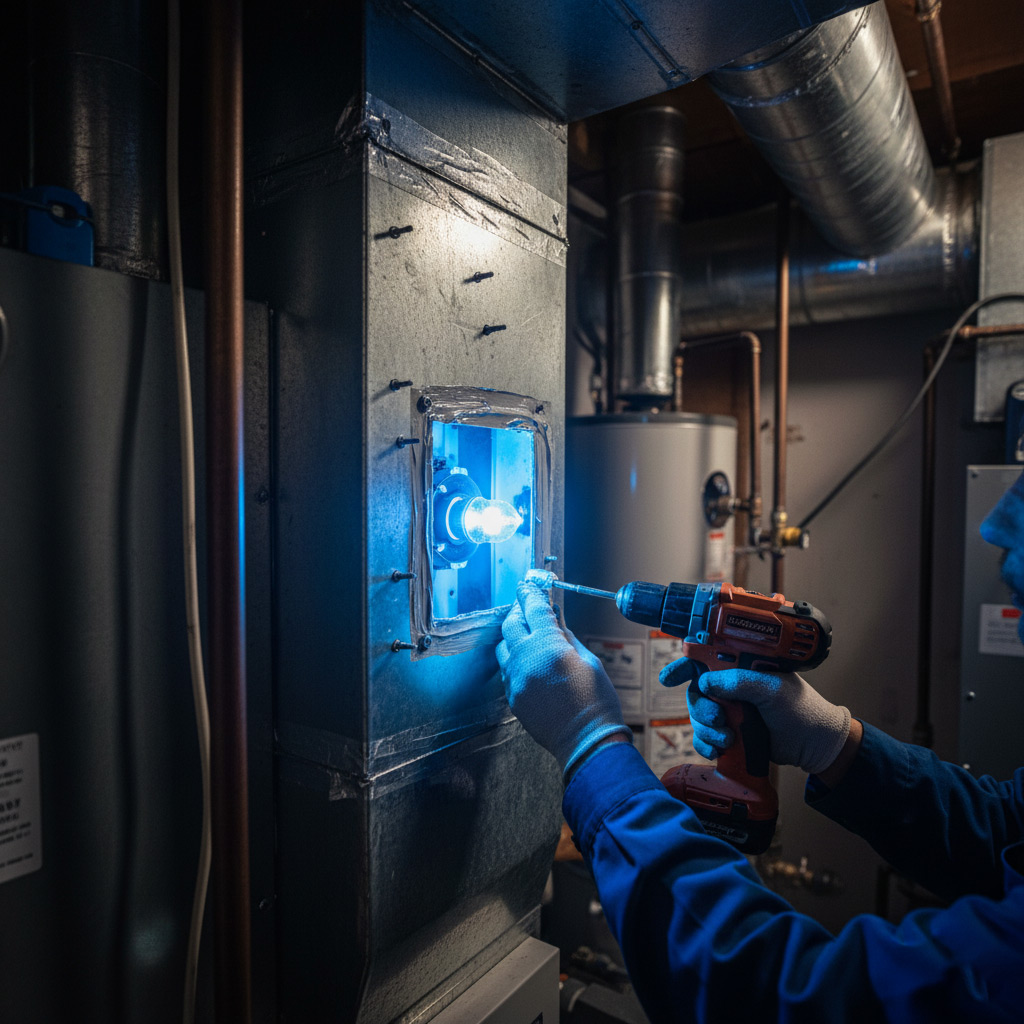
Manual J and Load Calculations: Setting the Stage for Accurate Sizing in McKinney
Why Manual J Isn’t Just a Form
Most homeowners think a bigger unit equals cooler air. That’s a myth that burns wallets fast. Manual J is the math that tells you exactly how many BTUs your house needs, no guesswork. In McKinney’s hot, humid summers, a mis‑sized system can swing from “ice‑cold” to “sweaty” in minutes.
Key Data Points You’ll Need
- Square footage – not just total, but each conditioned zone.
- Window orientation – south‑facing glass adds serious heat load.
- Insulation levels – R‑value matters more than you think.
- Occupancy and appliance use – a kitchen that runs all day adds load.
What the Numbers Reveal
When the calculation is done right, you get a system that runs steady, quiet, and efficient. It fires up only when the house truly needs it, saving energy and extending equipment life. Miss the step, and you’ll hear the furnace screaming on a mild night or the AC struggling on a July afternoon.
Duct Design and Airflow: Routing, Sizing, and Sealing for Maximum Efficiency
Routing Basics
Short, straight runs win the day—every extra foot of duct is a drop in pressure and a rise in your electric bill. Keep elbows to a minimum; a 90‑degree turn costs more than a gentle 45‑degree sweep.
When you map the path, think like a plumber: follow the shortest route, stay out of hot attic zones, and protect the line from future renovations.
- Run ducts parallel to framing studs to avoid cutting through structural members.
- Use rigid metal where space allows; it holds shape better than flex.
- Plan for future upgrades—leave a spare branch for a new bedroom or office.
Sizing the Ductwork
Right‑size the pipe, and the system breathes easy; undersized ducts force the blower to work overtime, while oversized ones waste energy.
Start with the Manual J load, then apply the ACCA Manual D tables to match CFM to duct diameter.
- Target a static pressure of 0.1–0.2 in. wg for most residential units.
- Balance supply and return—equal airflow keeps the furnace from short‑cycling.
- Remember that a 12‑inch main can handle roughly 1,200 CFM; scale down for branch lines.
Sealing & Insulation
Even a perfectly sized duct leaks heat like a busted window if you don’t seal it.
Use mastic or UL‑rated foil tape at every joint; skip the cheap cloth‑backed tape that peels in a few months.
- Wrap ducts in insulation when they run through unconditioned spaces.
- Seal all register boots and plenum connections with foil tape.
- Check for gaps around penetrations—holes are silent energy thieves.
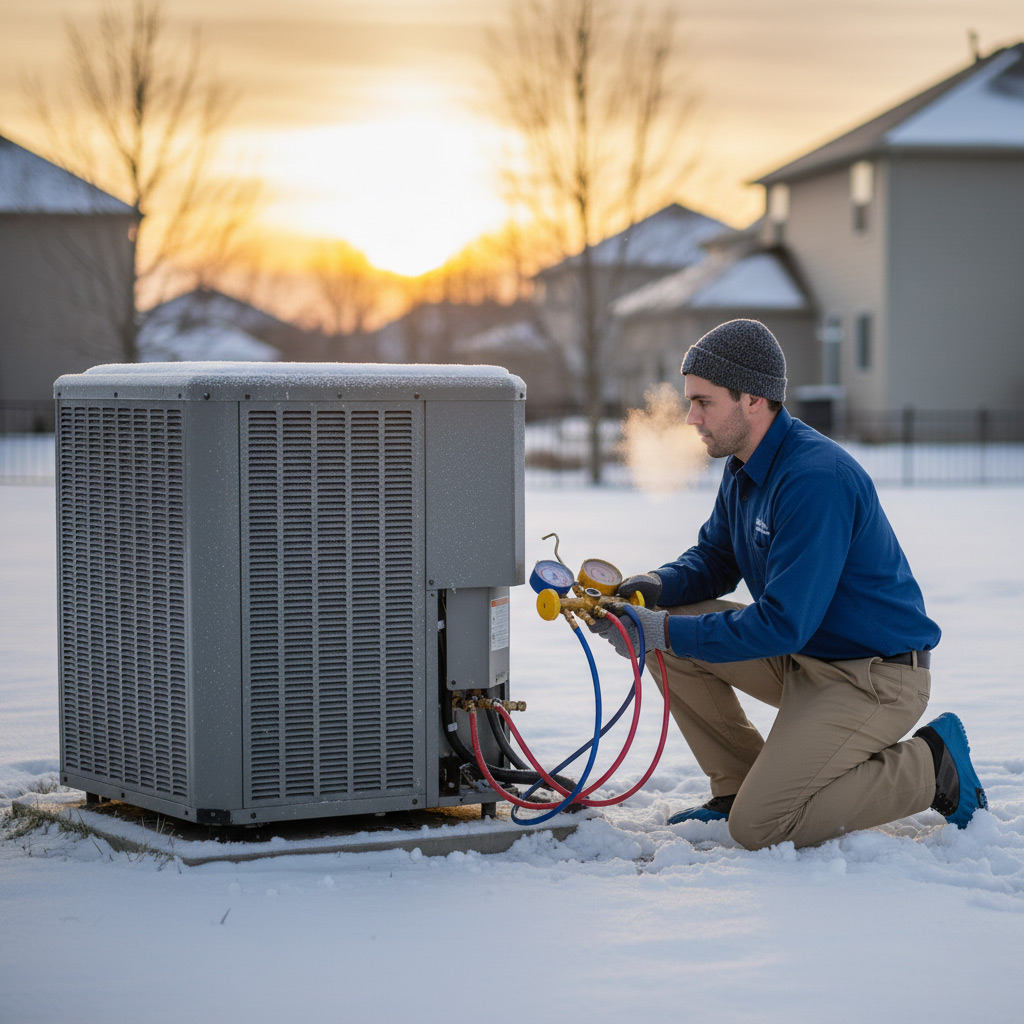
Climate‑Smart Equipment Sizing: Choosing A/C, Heat Pumps, and Furnaces for Texas Summers
McKinney’s heat isn’t just hot—it’s relentless. Right‑sized gear means you won’t be stuck with a unit that runs nonstop or one that shivers on the first warm night. Start with the numbers from your Manual J, then match them to equipment that actually moves air the way your home demands.
Pick the right cooling champion
- Variable‑speed air conditioners: Deliver steady comfort, cut power spikes, and keep humidity in check.
- High‑SEER (≥16) models: Offer the best bang for the buck in a Texas climate.
- Two‑stage units: Run at low speed most of the day, kick up to full blast only when the sun goes berserk.
Heat pumps have shed their “cold‑climate only” stigma. Modern inverter‑driven heat pumps hit 13‑14 HSPF, pulling heat from the night sky while staying efficient in 95°F summers. Pair them with a backup electric furnace for those rare sub‑50°F snaps, and you’ve got a system that never quits.
Furnace fundamentals for the Texas swing
- Modulating gas furnaces: Adjust output minute‑by‑minute, trimming fuel use.
- Two‑stage burners: Provide a gentle start, then surge when the thermostat calls for heat.
- AFUE 95%+ rating: Guarantees you’re getting every BTU you pay for.
Don’t forget the future. A smart thermostat that learns your schedule can shave 10‑15% off your bill. And if you’re planning an addition, size the new unit for the whole house—not just the new square footage. That way you avoid “over‑cooling” one wing while the other stays sweltering.
Duct Sealing, Insulation, and Attic Strategies: Minimizing Losses and Reducing Noise
Seal the Leaks
Every crack in your ductwork is a free ticket for conditioned air to escape. One‑inch gaps can waste up to 30% of your cooling load, and that’s money disappearing into the attic.
Before you call a contractor, walk the visible runs and check for these tell‑tale spots:
- Un‑taped seams at elbows and transitions
- Loose connections at registers and grilles
- Penetrations through walls or floors that weren’t sealed
Use a high‑quality foil‑backed duct tape or mastic sealant. It’s cheap, it’s fast, and it stops the air‑leakage that makes your system work harder.
Wrap It Right
In McKinney’s hot summers, the attic is a furnace. If your ducts run through that oven without proper insulation, you’ll feel the heat before the thermostat even knows you’re home.
Choose the right wrap for the job:
- Foil‑faced fiberglass – great for tight spaces, reflects heat back into the duct.
- Rigid foam board – adds structural strength and blocks thermal transfer.
- Spray‑foam sealant – fills gaps and adds a layer of insulation in one step.
Make sure the insulation is at least R‑8 for supply ducts and R‑6 for return runs. Anything less and you’re inviting heat to sneak in.
Quiet the Whine
Noise isn’t just annoying; it’s a sign that air is fighting resistance. Proper sealing and insulation cut turbulence, which means a quieter home.
Here’s a quick checklist to keep the hum down:
- Install flexible duct connectors with vibration‑absorbing clamps.
- Use acoustic duct liner in long runs – it deadens sound without restricting flow.
- Seal all attic penetrations with expanding foam to stop wind‑driven rattles.
When the ducts are tight, insulated, and quiet, the whole house feels like a sanctuary, even when the Texas sun is blazing outside.

Zoning, Controls, and Thermostat Strategy: Personal Comfort Across Rooms
Why Zoning Matters
Imagine each wing of your McKinney home getting exactly the airflow it craves—no more “hot spot” in the den or “ice box” in the master bedroom. Zoning splits a single HVAC system into independent zones, each with its own damper and thermostat, so the furnace or A/C only works where it’s needed.
Benefits you’ll feel instantly:
- Lower utility bills because the system isn’t over‑working.
- Quieter operation—only the active zone hums.
- Tailored comfort for kids, seniors, or home‑office setups.
Smart Controls for Real‑World Comfort
Modern thermostats do more than set a temperature; they learn, they adapt, they talk to your phone. Pair a Wi‑Fi thermostat with zone dampers and you get:
- Remote scheduling—turn the A/C off while you’re at work.
- Geofencing—system wakes up as you pull into the driveway.
- Humidity alerts—crucial for Texas summers.
Don’t forget to calibrate each zone’s sensor. A mis‑read can throw the whole balance off, leaving you with a chilly hallway and a sweaty living room.
Questions to Ask Your Contractor
Before you sign on the dotted line, fire these at the installer:
- How many zones can the current ductwork support?
- What brand of dampers and thermostats do you recommend for McKinney’s climate?
- Will you program the system to stagger start‑up times and avoid power spikes?
Getting clear answers now saves you headaches later. A well‑tuned zoning strategy turns a house into a comfort‑customized sanctuary, no matter how fierce the July heat gets.
Case Study: A McKinney Home's Design Renovation—Before, Solution, and Outcome
Before
The 2,800‑sq‑ft ranch on Preston Road was battling hot spots in the master suite and a chilly basement that never seemed to warm up. The original 3‑ton unit was oversized, humming loudly, and the ductwork was a maze of mismatched sections. Homeowners complained of uneven temps, high electric bills, and a thermostat that felt like a guessing game.
Solution
We started with a fresh Manual J calculation, which revealed the true load was 2.2 tons. From there, the redesign focused on three core moves:
- Right‑sized equipment: a 2.2‑ton, variable‑speed air‑source heat pump paired with a high‑efficiency furnace.
- Duct optimization: trimming oversized runs, adding a dedicated return for the basement, and sealing every joint with mastic.
- Zoning upgrade: three thermostats—living area, master suite, and basement—controlled by a smart hub.
We also wrapped the attic ducts in foil insulation and installed a low‑velocity diffuser in the vaulted ceiling to cut noise. The whole system was balanced with a professional airflow test, ensuring each room got the air it needed.
Outcome
Energy bills dropped 22 % in the first six months, and the home stayed within a 2‑degree range from the thermostat setting. The master suite finally felt cool on July afternoons, while the basement reached a comfortable 68 °F in winter. Homeowners now brag about “quiet, even comfort” and have a clear list of questions to ask any future contractor.
Conclusion
Before you sign any contract, demand to see the Manual J report and a duct layout sketch. If the contractor can’t pull those out of a folder, walk away. A solid design lives on paper first, then on the wall.
Quick Vetting Checklist
- Ask for a copy of the load calculation – it should be specific to your square footage, orientation, and insulation levels.
- Verify that every duct run is sized for the airflow the unit will deliver; undersized ducts are the silent killers of efficiency.
- Confirm the system includes proper sealing and insulation in the attic and crawl spaces.
- Make sure zoning controls are programmable and compatible with your smart thermostat.
- Check that the installer offers a post‑install leak detection service to catch any hidden duct leaks.
When you’re ready to move forward, pick a local firm that treats HVAC as a system, not a sales pitch. A company that backs its design with a written warranty and offers ongoing HVAC maintenance that will keep your home comfortable year after year.
People Also Ask
What is a Manual J calculation and why is it important for HVAC design in McKinney?
A Manual J calculation determines the precise heating and cooling load of a home based on size, orientation, insulation, and local climate. In McKinney’s hot summers and occasional freezes, accurate sizing prevents short‑cycling, reduces energy bills, and extends equipment lifespan.How does proper duct design affect energy efficiency in Texas homes?
Well‑designed ducts maintain consistent airflow, minimize pressure loss, and prevent leaks that waste conditioned air. Correct sizing and sealing can improve system efficiency by up to 20%, keeping indoor temperatures stable without overworking the unit.What type of HVAC equipment is best suited for McKinney’s climate?
High‑SEER air conditioners, variable‑speed heat pumps, and modulating gas furnaces provide the flexibility needed for scorching summers and occasional winter chills. Choosing units rated for Texas heat ensures reliable performance and lower utility costs.Can zoning and smart thermostats really improve comfort in a multi‑room home?
Yes, zoning divides the house into independent zones with separate dampers and thermostats, allowing each area to be heated or cooled as needed. Smart thermostats add programmable schedules and remote control, further reducing waste and enhancing comfort.What are the most effective ways to seal and insulate ducts in an attic?
Use mastic or UL‑listed foil tape to seal all joints, and wrap ducts with high‑temperature insulation rated for attic conditions. Adding attic air sealing and vapor barriers also cuts heat loss and noise transmission, boosting overall system efficiency.
McKinney HVAC brings over 15 years of residential and commercial climate‑control expertise to the McKinney community. Their team of certified technicians delivers personalized heating and cooling solutions tailored to local homes and businesses. Committed to energy efficiency and responsive service, they keep McKinney comfortable year‑round.
Need HVAC?
Could you clarify which services your company provides in McKinney, TX and surrounding areas?
Get a Fast HVAC Quote