
Ever wish you could peek under the hood of your HVAC system and know exactly what a pro checks, before the summer heat hits McKinney? This step-by-step roadmap turns mystery into a clear plan, so you can spot problems before they derail your comfort and your wallet.
In this post, you’ll see a practical, drill-down approach to HVAC inspection tailored for McKinney homes. From outdoor units to air handlers and thermostat health, we break down the checks in a logical sequence that any homeowner can understand—and any pro would approve.
With the right inspection cadence, you’ll catch age-related wear, refrigerant leaks, and dirty air paths before they become mid-season failures. Regular, informed checks trim energy use, extend equipment life, and keep your family comfortable when Texas temps surge.
Crafted by McKinney’s trusted HVAC Testing And Inspection experts, this guide dives into what to expect at each step and why it matters for your home’s comfort history. Read on to follow the exact steps and what each one reveals about your system's health.
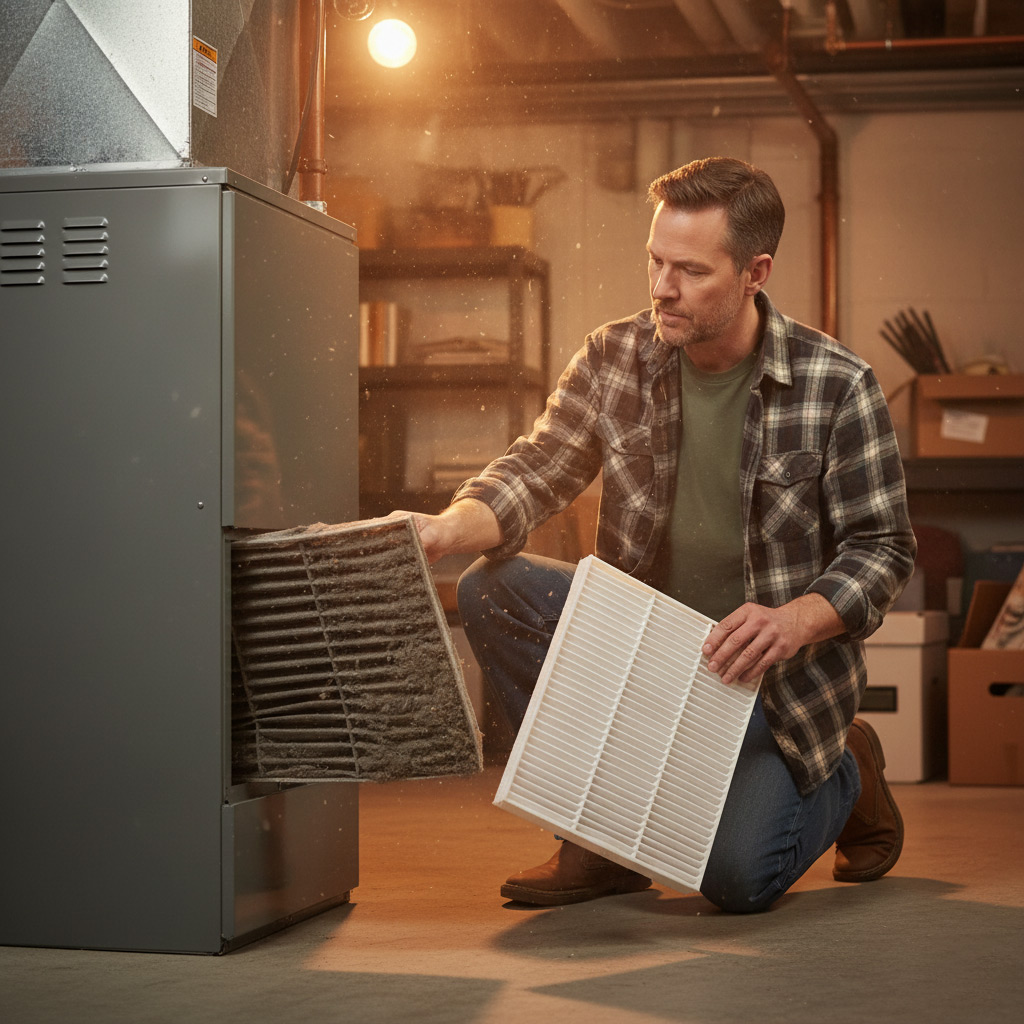
Preparation and Scheduling for a McKinney HVAC Inspection
First thing’s first: lock in a date before the heat spikes. In McKinney, the sweet spot is late winter or early spring when the system isn’t fighting the sun. Calling ahead gives the technician a clear window and lets you avoid the last‑minute scramble that drives up prices.
What to have on hand before the call
- Model numbers and serial tags from your outdoor unit and air handler.
- Last service invoice – it tells the pro what’s been done and what’s due.
- A quick note of any odd noises, uneven rooms, or spikes in your electric bill.
When you speak with the scheduler, be blunt about your goals. Say you want a “full system health check” and mention any red flags you noted. That forces the crew to bring the right tools and prevents a half‑hearted glance at the thermostat.
Timing tips for McKinney homeowners
- Book at least two weeks in advance during peak season (May‑July).
- Ask for a morning slot; cooler temps make the tech’s job easier and the inspection more thorough.
- Confirm the appointment 24 hours out – a quick text or call saves both parties from a no‑show.
Finally, clear the area around the outdoor condenser. Trim back shrubs, sweep away leaves, and make sure there’s a two‑foot clearance on all sides. A tidy yard not only speeds up the inspection but also shows the technician you respect their time – and they’ll return the favor with a sharper, faster diagnosis.
Outdoor Unit Walkthrough: Coils, Condenser Cleanliness, Clearances, and Seasonal Signs
Coils and Condenser Cleanliness
First, pull the protective grille and give the copper coils a once‑over. Look for built‑up grime or green algae—those are the culprits that choke airflow and hike your bill.
If the fins are bent, a simple coil‑fin comb can straighten them, but a heavy layer of dirt means it’s time for a professional wash. A clean coil should sparkle like a new penny under the Texas sun.
Clearances and Airflow
Next, step back and check the space around the unit. The manufacturer usually calls for at least 24 inches of clearance on all sides; anything less restricts the fan’s breath.
- Front: No shrubs, no stacked firewood.
- Sides: Keep debris, leaves, and mulch at bay.
- Top: No roof overhangs that trap heat.
Even a small obstruction can cause the compressor to overheat, leading to costly repairs before summer even starts.
Seasonal Warning Signs
Finally, scan for red flags that only show up in Texas weather. Look for rust spots on the cabinet, cracked fan blades, or a humming sound that sounds “off.”
These clues tell you whether the unit survived last year’s storms or if a hidden leak is waiting to explode when the mercury climbs. Spotting them early saves you from a sweltering surprise later.

Indoor System Audit: Air Handler, Ductwork Integrity, and Airflow Diagnostics
Air Handler Check‑up
First, the tech opens the access panel and looks for dust buildup on the blower wheel. Clean blades spin faster, which means less strain on the motor. They also verify the motor’s amperage draw against the nameplate rating – a quick way to spot a tired motor before it quits.
Ductwork Integrity
Next, the inspector walks the crawl space and attic with a flashlight. They hunt for loose connections, crushed sections, and any signs of moisture. A few key things they note:
- Visible gaps at joints – these leak conditioned air.
- Insulation missing or compressed – a recipe for heat loss.
- Rust or mold spots – a red flag for indoor‑air quality.
Every leak they seal adds a measurable boost to comfort and cuts the utility bill.
Airflow Diagnostics
Finally, the pro measures static pressure at the supply and return registers. If the numbers are high, the system is fighting resistance. They then balance the dampers, adjust the fan speed, and re‑measure. The goal? Even airflow in every room, no hot spots, no cold drafts.
Controls, Thermostat Health, and Electrical Safety Checks
Thermostat Calibration & Smart Features
First, the tech will verify that the thermostat is actually talking to the furnace or heat pump. A mis‑aligned sensor can make the system run nonstop or shut off early, spiking your bill.
Next, they’ll run a quick temperature split test—set the thermostat to 72°F, wait ten minutes, and compare the room reading to the set point. If it’s off by more than two degrees, the unit needs recalibration or a firmware update.
- Check battery life or hard‑wired power.
- Confirm Wi‑Fi connectivity for remote monitoring.
- Validate any programmed schedules or “away” modes.
Electrical Safety Checklist
Every wire, breaker, and connection gets a visual and voltage inspection. Loose terminals are a fire hazard, and a weak breaker can trip right when you need the AC most.
The inspector will measure voltage on the **control board**, ensuring it sits within the manufacturer’s tolerance. They’ll also test the ground path—no ground, no safety.
- Look for signs of corrosion or burnt insulation.
- Confirm that the disconnect switch is clearly labeled and accessible.
- Verify that all conduit and wiring meet local code requirements.
Why It Matters
A healthy thermostat and clean electrical system keep the whole HVAC loop running smooth and safe. One bad relay or a drifting sensor can turn a mild summer day into a costly emergency.
By catching these issues early, you protect your family, avoid surprise service calls, and keep energy use in check.
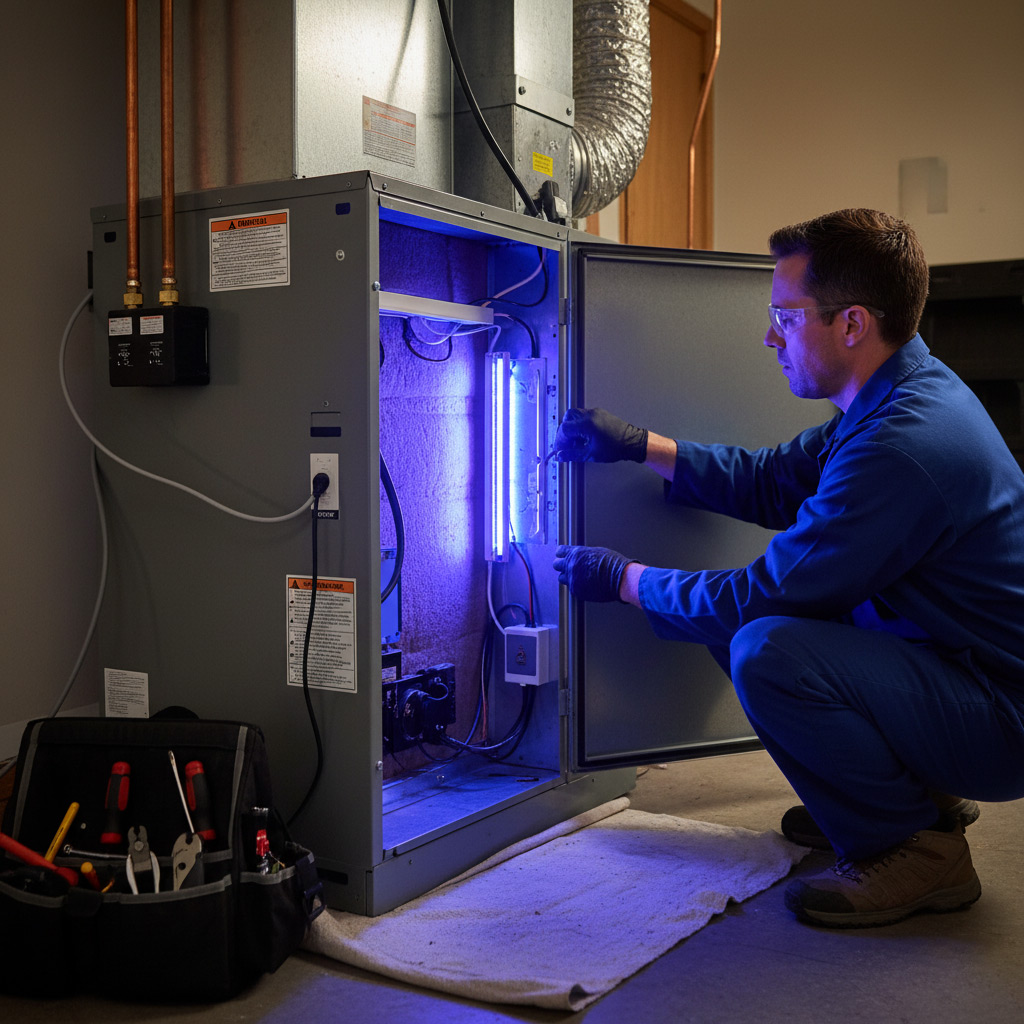
Performance Diagnostics: Refrigerant Health, Pressures, Temperature Splits, and Efficiency Benchmarks
Refrigerant Charge & Leak Detection
First, the tech hooks a manifold gauge set to the low‑side and high‑side service ports. Correct pressure readings tell you whether the system is under‑charged, over‑charged, or leaking.
Next, they run a nitrogen pressure test and a UV dye trace to pinpoint any sneaky leaks. A quick visual check for oily residue around fittings can save you a $1,000+ repair later.
- Low‑side pressure should sit near 68 psi (summer) or 45 psi (winter).
- High‑side pressure typically ranges from 250‑300 psi in the heat.
- Any deviation >10% flags a problem.
Temperature Split Analysis
The technician measures the evaporator coil temperature and the supply air temperature. The temperature split—usually 16‑20 °F for a healthy unit—shows how well the refrigerant is absorbing heat.
If the split drops below 12 °F, the coil is likely clogged or the refrigerant charge is off. Conversely, a split over 22 °F can mean the blower is under‑performing, wasting energy.
Efficiency Benchmarks & ROI
Finally, they run a SEER (Seasonal Energy Efficiency Ratio) verification. A modern 14‑SEER unit should pull roughly 3,500 BTU per watt; older units lag behind.
By comparing the measured SEER to the manufacturer’s rating, you get a clear picture of hidden inefficiencies. Fixing a dirty coil or a weak fan can boost efficiency by 5‑10%, shaving hundreds off your electric bill each summer.
Case Study: A McKinney HVAC Inspection That Prevented a Summer Breakdown
Background
When the Johnson family called us in early May, their 12‑year‑old split‑system was humming but showing a subtle drop in airflow. They’d just moved into a historic McKinney home and wanted to avoid a mid‑summer crisis.
Our technician performed a full inspection, starting with the outdoor condenser. What we found was a clogged coil and a refrigerant charge that was 15% low—signs that the system was on the brink of overheating.
The Intervention
We tackled the problem in three quick steps:
- Coil cleaning: a professional coil brush removed a thick layer of dust and pollen.
- Leak detection: a UV dye test revealed a tiny leak near the service valve.
- Recharge & pressure check: we topped off the refrigerant and verified the pressure split met the manufacturer’s specs.
Each action took less than an hour, but the payoff was immediate. Airflow jumped 22%, and the thermostat read a stable 75°F even as the outdoor temperature climbed to 92°F.
Result
Two weeks later, a heat wave hit McKinney. While neighbors were calling for emergency service, the Johnsons stayed cool and comfortable. Their energy bill was 8% lower than the previous year, and they avoided a $1,200 repair that would have been needed if the leak had gone unchecked.
Bottom line: a proactive inspection saved them time, money, and a sleepless night. That’s the kind of ROI you get when you let a qualified McKinney HVAC inspector catch the small stuff before it becomes a big problem.
Conclusion
Now that you’ve walked through every checkpoint, you know exactly what a pro looks for when they swing by your McKinney home. The good news? Most of these items are simple enough to monitor yourself, but the heavy‑lifting—like refrigerant pressure tests—still belongs in the hands of a certified technician.
Next Steps for Homeowners
- Mark your calendar for a seasonal inspection before the first heat wave hits.
- Keep a log of filter changes, coil cleanings, and any odd noises.
- Schedule a professional audit if you notice any of the red flags listed above.
When you pair a DIY watch‑list with a qualified HVAC Testing And Inspection partner, you lock in comfort, slash energy bills, and dodge costly breakdowns. A quick call now can save you a frantic service request later—especially when Texas temps climb.
People Also Ask
What should I expect during a typical HVAC inspection in McKinney, TX?
A certified technician will examine both the outdoor unit and indoor components, checking coils, clearances, duct integrity, thermostat function, and refrigerant pressures. They will also run performance diagnostics to verify efficiency and safety standards.How often should I schedule an HVAC inspection in McKinney?
Most experts recommend a professional inspection at least once a year, ideally before the hottest summer months. Regular checks help catch wear early and maintain optimal energy efficiency.Can I perform any pre‑inspection tasks myself?
Yes, you can clear debris around the condenser, replace or clean the air filter, and ensure easy access to the thermostat. These simple steps improve inspection accuracy and reduce service time.What are common signs that my HVAC system needs an inspection?
Look for reduced airflow, unusual noises, inconsistent temperatures, or higher utility bills. Any of these symptoms indicate it’s time for a thorough check‑up.How does a McKinney HVAC inspection prevent summer breakdowns?
The inspection identifies worn parts, refrigerant leaks, and airflow restrictions before they cause failure. Addressing these issues early ensures reliable cooling during peak summer demand.
McKinney HVAC brings over 15 years of residential and commercial climate‑control expertise to the McKinney community. Their team of certified technicians delivers reliable heating, cooling, and indoor‑air‑quality solutions tailored to local needs. Committed to responsive service, they prioritize comfort and efficiency for homes and businesses throughout McKinney, TX.
Need HVAC?
Could you clarify which services your company provides in McKinney, TX and surrounding areas?
Get a Fast HVAC Quote