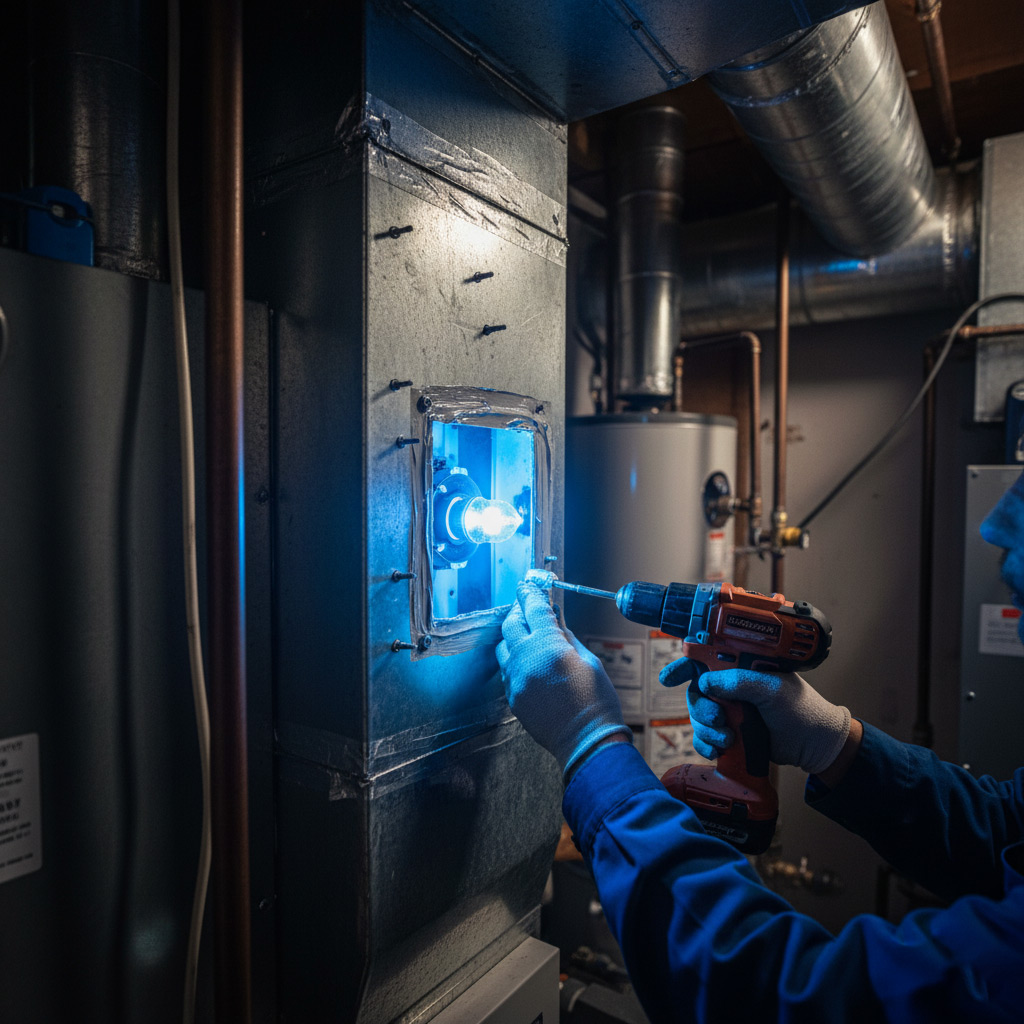
What if your next AC install paid you back with cooler rooms and lower bills, month after month? In McKinney, TX, summers hit hard, and a smartly chosen system does more than chill the air; it changes how you live in your home.
Inside this playbook, you’ll see the exact steps pros use to select the right unit for your home during air conditioning installation in McKinney, TX. It covers proper sizing, layout checks, and ductwork that delivers even airflow throughout every room.
Homeowners in McKinney know the pitfalls: undersized systems, leaky ducts, and rebates that vanish if you miss a step. We spell out what to measure, what to verify, and how to avoid costly rework.
By the end, you’ll see how a methodical install delivers cooler nights, quieter operation, and a system built to last. Keep reading to uncover the practical steps that turn a routine install into lasting comfort.

McKinney Sizing and Load Strategy: Manual J/D Calculations and Climate Considerations for Comfort and Efficiency
Getting the right tonnage isn’t a guess—it’s math backed by the heat that rolls in from the Texas sun. In McKinney, summer highs regularly top 95°F, and humidity can push the “feels‑like” temperature even higher. A unit that’s too small will run nonstop, while an oversized system will short‑cycle, waste energy, and leave you with uneven rooms.
What Manual J Looks Like in McKinney
- Square footage – total conditioned area, not just the living room.
- Orientation – south‑facing walls, large windows, and shading affect heat gain.
- Insulation R‑values – walls, attic, and floors dictate how much cooling you really need.
- Occupancy & equipment – people, appliances, and lighting add to the load.
- Local climate data – use the 99th percentile summer temperature for McKinney (around 98°F).
Plug those numbers into a Manual J software or have a certified technician run the calculation, and you’ll get a precise BTU requirement. That figure tells you the exact size of the condenser and indoor coil you should be looking at, no more, no less.
Manual D: Ductwork That Delivers
- Proper duct sizing – oversize ducts lower velocity, undersize ducts choke airflow.
- Sealing – every leak adds up; a well‑sealed system can save 10‑15% on cooling costs.
- Zoning – separate controls for north and south wings keep each side comfortable.
- Insulation – wrap ducts in the attic to prevent heat soak before the air even reaches the home.
When Manual J and Manual D are married, the result is a system that runs at its sweet spot, delivering consistent temperatures and lower utility bills. That’s the foundation of a smart AC install in McKinney.
System Selection for McKinney Homes: Central AC vs. Ductless, SEER Standards, and Local Rebates
Central Air vs. Ductless Mini‑Split
Central air works like a highway: one big unit pushes cool air through a network of ducts to every room. It’s ideal for larger floor plans where you want a single thermostat to rule the house.
Ductless mini‑splits act like a fleet of delivery trucks—each indoor unit serves a specific zone, no ducts required. They shine in additions, basements, or homes with tight budgets for duct repair.
- Central AC: consistent temperature, lower upfront cost per ton, but you pay for duct sealing and potential leaks.
- Ductless: precise zoning, quieter operation, higher per‑ton price but saves on duct work.
- Both: need proper sizing (Manual J) to avoid short‑cycling and wasted energy.
SEER Standards That Matter in McKinney
Texas sets the floor at 14 SEER for new residential units, but the sweet spot for McKinney’s hot summers is 16‑18 SEER. Higher SEER means lower electricity bills, especially when you run the system 8‑10 hours a day.
Don’t chase the highest number blindly; a 20 SEER unit can cost 30% more upfront. Pair the SEER rating with your home’s load calculation to hit the best ROI.
Local Rebates and Incentives
McKinney’s city government and the local utility, Oncor, offer cash rebates for high‑efficiency installs. The catch? You must submit paperwork within 30 days of completion.
- Check the McKinney Energy Efficiency Program website for the latest rebate amounts.
- Ask your installer to file the rebate claim; they usually have a “rebate specialist” on staff.
- Keep a copy of the signed contract, proof of SEER rating, and the final inspection report.
Ductwork Design and Airflow Planning: Sealing, Sizing, and Zoning for Even Cooling Throughout the Home
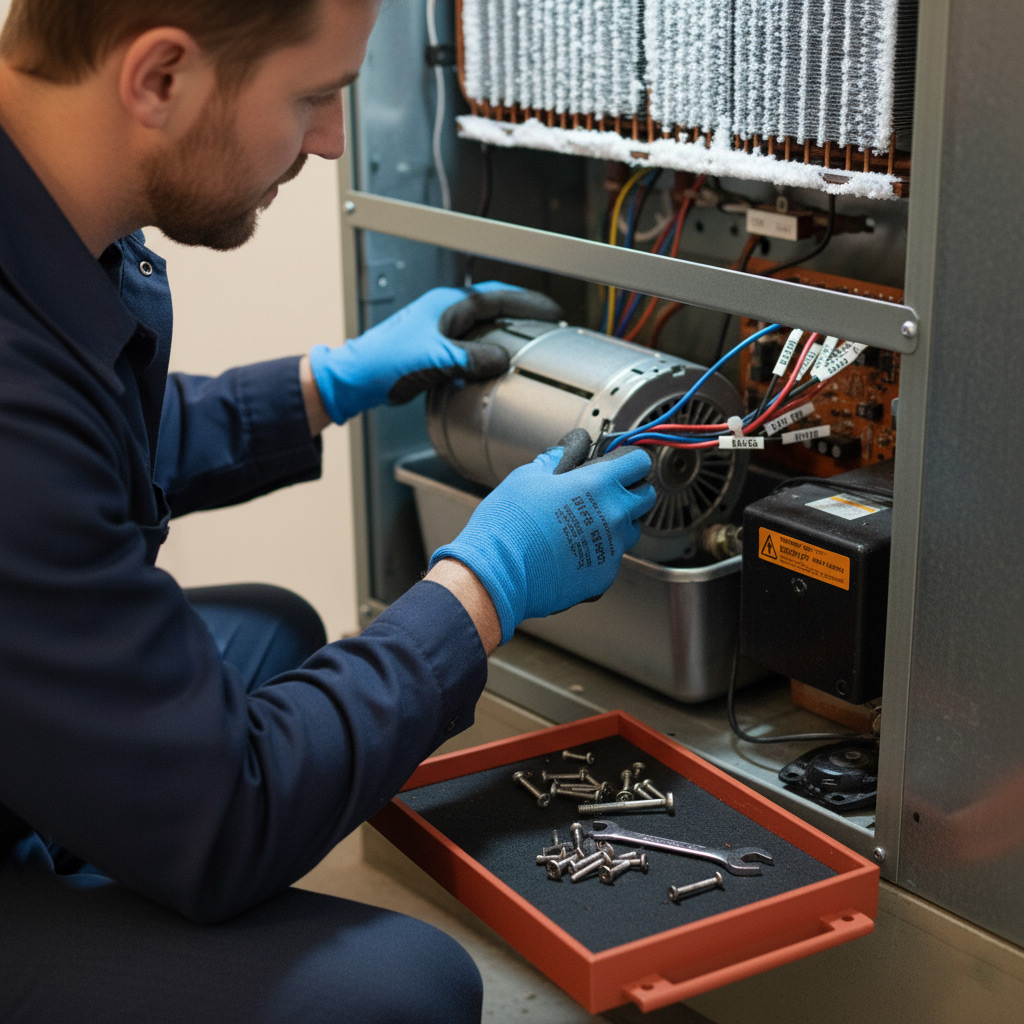
Good ductwork is the hidden hero of any AC install. If the air can’t travel cleanly, you’ll feel the heat even with a brand‑new unit. That’s why we start with a tight, leak‑free network before we worry about capacity.
Seal the Deal
- Inspect every joint with a smoke pencil; any swirl means a leak.
- Wrap seams in mastic or UL‑rated foil tape—no cheap duct tape.
- Pressurize the system with a blower door test to confirm 0.5 in w.c. or less leakage.
Once the seal is solid, the next step is getting the right size. Oversized ducts waste energy, undersized ones choke the flow. The sweet spot delivers steady pressure and quiet operation.
Right Size, Right Flow
- Measure total CFM needed using the Manual J load calculation.
- Apply the ductulator chart: keep velocity under 900 ft/min for comfort.
- Allow for a 10 % safety margin to accommodate future additions.
Zoning turns a one‑size‑fits‑all system into a custom climate suite. By breaking the house into logical zones, you let each area breathe on its own schedule.
Zone Like a Pro
- Group rooms with similar sun exposure and occupancy patterns.
- Install motorized dampers controlled by a smart thermostat.
- Balance each zone with a static pressure gauge before final startup.
Installation Day Playbook: Pre-Install Checks, Proper Refrigerant Charging, Air Sealing, and Startup in McKinney
First thing on the morning of the install is a walk‑through that catches anything that could bite you later. We verify the load calculation on site, double‑check the clearance around the condenser, and make sure the electrical panel can handle the new breaker.
Pre‑Install Checks
- Confirm the unit matches the Manual J size – no guesswork.
- Inspect the pad or roof mount for level and proper drainage.
- Test voltage and amperage at the disconnect.
- Mark all duct openings and verify they’re free of debris.
Once the site is cleared, the tech moves to the refrigerant side. Too little charge = heat, too much = waste. We use a calibrated manifold set and ambient temperature to hit the exact superheat target.
Proper Refrigerant Charging
- Pull a low‑pressure reading at the suction line.
- Calculate required ounces based on the manufacturer’s chart.
- Add refrigerant in small increments, watching superheat rise.
- Lock the service valve and document the final charge.
With the charge locked, it’s time to seal the house up and fire it up. All duct joints get mastic or foil tape, and any gaps around the return plenum are caulked. Then we run a three‑minute start‑up sequence, watching static pressure and confirming the thermostat talks back.
Air Sealing & Startup
- Seal supply and return registers with foil tape.
- Check for even airflow using a manometer on each branch.
- Program the thermostat for a 2‑hour “soft start” to avoid surge.
- Record run‑time, temperature drop, and noise level.
Case Study: McKinney Home Transformation — From Undersized System to High‑Efficiency Comfort and Savings
Home Profile
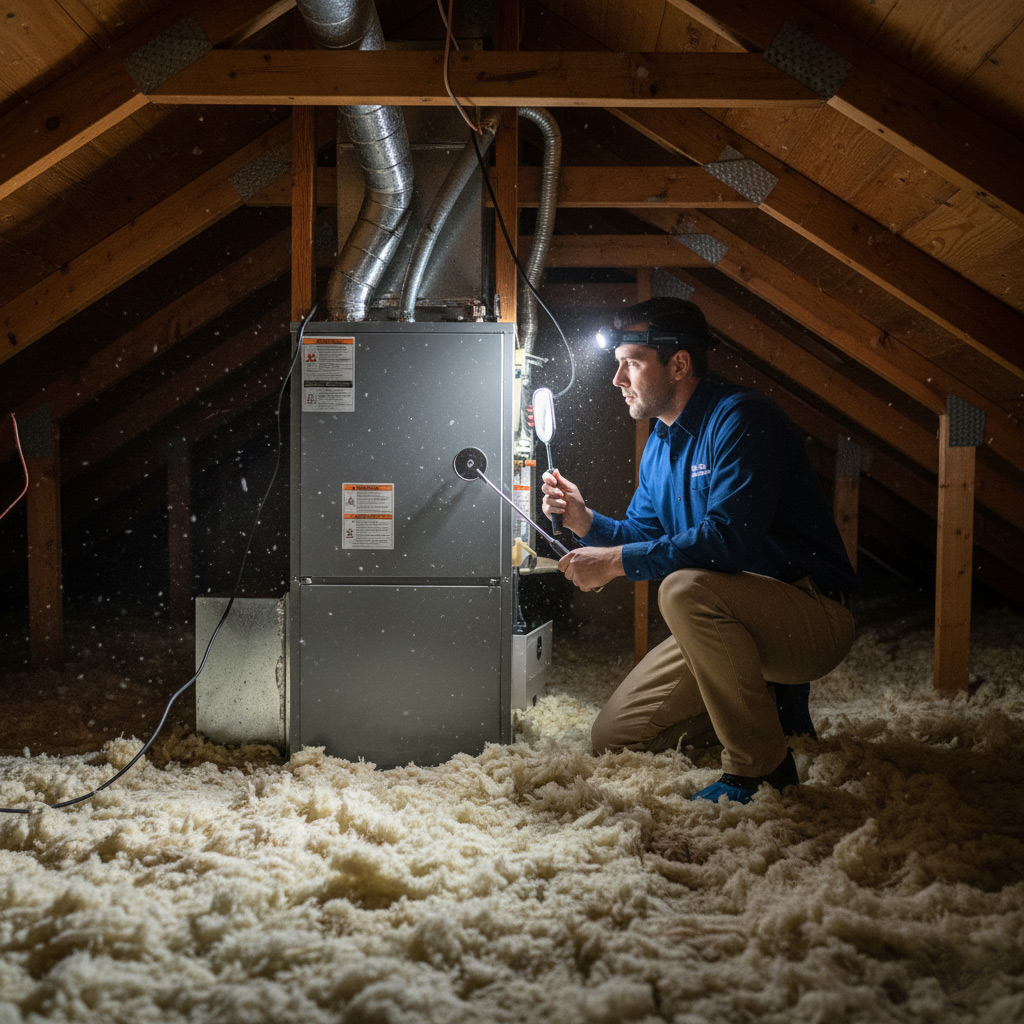
John and Lisa live in a 2,300‑sq‑ft ranch on Oak Grove Drive. Their original 2‑ton split unit was a relic from 2005, barely keeping the master bedroom cool on a 95°F day. Complaints about hot spots and a sky‑high electric bill were the daily norm.
What We Did
Our crew started with a Manual J load analysis, factoring McKinney’s hot, humid summers and the home’s insulation gaps. The numbers screamed for a 3‑ton, 16 SEER unit with variable‑speed blower. We then:
- Removed the old compressor and replaced it with a high‑efficiency scroll compressor.
- Sealed and insulated all supply ducts, adding a fresh‑air intake to balance pressure.
- Installed a smart thermostat that learns the family’s schedule.
- Performed a precise refrigerant charge, using nitrogen purge to eliminate moisture.
Results
Within the first month, the couple saw a 30% drop in their cooling bill. The new system runs whisper‑quiet, and every room stays in the 72‑74°F sweet spot. Best part: they qualified for a $1,200 local rebate, cutting the upfront cost by nearly half.
Post-Install Verification and Ongoing Care: Airflow Verification, Controls Integration, and Seasonal Maintenance
After the dust settles, the real test begins—making sure every cubic foot of air is where it belongs. A quick walkthrough saves you from costly re‑work down the road.
Airflow Verification
- Grab a handheld anemometer and measure supply registers; look for 350‑400 CFM per ton.
- Check return grilles for balanced pressure; a negative pressure reading means leaks.
- Seal any gaps with mastic or foil tape; even a 1‑inch crack can throw off efficiency.
Next up, the brain of the system—your thermostat and zoning gear. Integration isn’t just a tech buzzword; it’s the lever that lets you fine‑tune comfort and cut waste.
Smart Controls & Zoning
- Program the thermostat for a 2‑hour setback during the day; you’ll see the bill shrink.
- Verify each zone’s damper moves fully; a stuck damper equals hot spots.
- Link the system to your phone; real‑time alerts catch issues before they snowball.
Finally, treat your AC like a car—regular service keeps it humming. A seasonal checklist is your insurance policy against breakdowns.
Seasonal Maintenance Checklist
- Swap or clean the air filter every 30‑45 days; a clogged filter chokes airflow.
- Inspect coil fins for dirt; a garden hose on low pressure does the trick.
- Check refrigerant charge with a gauge set; low charge = reduced cooling capacity.
- Run a full system start‑up test; listen for odd noises and verify thermostat response.
Conclusion
Now that you’ve walked through the playbook, it’s time to turn knowledge into action. The difference between a “good enough” install and a high‑performance system lies in the details you verify before you sign the paperwork.
What to Do Next
- Ask your installer for a copy of the Manual J load calculation – it’s the blueprint for a system that won’t waste energy.
- Confirm that all duct sections are sealed with mastic, not just foil tape, and that the airflow numbers match the design specs.
- Check for local rebates on SEER ≥ 16 units; a quick call to the utility can save you hundreds.
Don’t let the job end at the first startup. Schedule a post‑install verification within 30 days to catch any pressure drops or uneven zones. A quick Air Conditioning Installation audit now prevents a costly service call later.
People Also Ask
What is a Manual J calculation and why is it important for McKinney homes?
A Manual J calculation determines the precise heating and cooling load for a home based on size, orientation, insulation, and local climate. In McKinney’s hot summers, it ensures the AC system is neither oversized nor undersized, maximizing comfort and energy efficiency.Should I choose a central AC system or a ductless mini‑split for my McKinney residence?
Central AC works well for larger homes with existing ductwork, while ductless mini‑splits are ideal for additions, retrofits, or zones that need individualized control. Both options must meet the SEER rating required in Texas, and local rebates often favor high‑efficiency models.How does proper duct sealing affect my AC performance in McKinney?
Sealed and correctly sized ducts prevent air leaks that can waste up to 30% of cooling capacity. Proper sealing and airflow balancing improve temperature uniformity and lower utility bills, especially during McKinney’s peak heat months.What are the key steps on installation day to ensure a successful AC setup?
Technicians should verify the correct unit size, inspect refrigerant lines, charge the system to manufacturer specifications, and perform a thorough air‑seal check. A proper startup includes testing thermostat integration and confirming airflow across all registers.How often should I schedule maintenance for my new AC system in McKinney?
Schedule professional tune‑ups at least twice a year—once before the summer cooling season and once before winter. Regular maintenance keeps the system running at peak efficiency and helps catch potential issues early.
McKinney HVAC brings over 15 years of residential and commercial climate‑control expertise to the McKinney community. Their team of certified technicians delivers reliable heating, cooling, and indoor‑air‑quality solutions tailored to local needs. Committed to responsive service, they prioritize comfort and efficiency for homes and businesses throughout McKinney, TX.
Need HVAC?
Could you clarify which services your company provides in McKinney, TX and surrounding areas?
Get a Fast HVAC Quote