
Your AC shouldn’t feel like a roll of the dice. In McKinney, TX, a small maintenance slip can turn a routine bill into a scorching night.
Think maintenance is optional? Think again. Regular check-ins catch worn parts early, help your system live longer, and keep your home comfortable when the heat comes.
We’ll cut through the noise and show what a smart HVAC maintenance check looks like: clean or replace filters, inspect ducts, verify refrigerant levels, and test electrical connections. These steps prevent surprises and save big on repair bills later.
McKinney sees blistering summers and brisk changes, so timing matters. A tune-up ahead of peak season keeps your system steady and your bills predictable.
Want real, practical steps you can take this season? Keep reading to map out a maintenance plan you can discuss with a trusted local HVAC partner in McKinney.
McKinney Climate Advantage: Why Regular HVAC Maintenance Keeps You Cool and Comfortable
McKinney’s weather swings from sweltering 100‑degree days to sudden chill‑off evenings. That kind of back‑and‑forth puts a lot of stress on your furnace and air‑conditioner. A quick, routine check‑up lets the system breathe easy, so it won’t sputter when the heat spikes.
When you keep the unit in top shape, you get steady indoor temps, fewer surprise repairs, and a noticeable dip in energy bills. Think of it as a small investment that pays for itself every month you stay comfortable.
What McKinney’s climate throws at your HVAC
- Intense summer heat – pushes compressors to their limit.
- Rapid humidity shifts – can cause coil corrosion if ignored.
- Early‑fall cool snaps – force the furnace to kick in after a long idle.
- Spring dust storms – clog filters and restrict airflow.
Each of these factors can turn a well‑run system into a costly nightmare in weeks. That’s why a proactive maintenance plan isn’t a luxury; it’s a necessity for anyone who wants to stay cool without breaking the bank.
Seasonal Maintenance Schedule for McKinney Homes: Timing, Triggers, and Local Considerations
Spring Kick‑off (March – April)
As the first warm breezes roll in, it’s the perfect moment to give your system a once‑over before the heat cranks up. Look for these tell‑tale signs that a spring tune‑up is overdue:
- Dusty or clogged filters after a long winter lull.
- Unusual noises when the fan first starts.
- Thermostat lagging behind the set temperature.
Schedule a professional inspection now and you’ll dodge the scramble when July hits.
Summer Surge (May – July)
McKinney’s summer can push outdoor temps past 100°F, and your AC works overtime. Keep an eye on these triggers that scream “service needed”:
- Higher electric bills without a change in usage.
- Cold spots in rooms that should be warm.
- Frequent short‑cycling of the compressor.
When any of these pop up, call your local HVAC pro before the next heat wave.
Fall & Winter Guard (October – December)
Even though the heat eases, McKinney still sees sudden cold snaps that can stress a system left idle. A quick pre‑winter check can save you from a frozen coil or a busted fan motor.
- Inspect the condensate drain for clogs.
- Verify the refrigerant charge is still within spec.
- Test the thermostat’s emergency heat setting.
Wrap up the year with a full system diagnostic and you’ll head into the new year with confidence.
The Smart Maintenance Checklist: Filters, Ducts, Refrigerant, Electrical, Thermostats, and Diagnostics
Think of your HVAC system as a car—if you skip the oil change, you’ll feel the pain later. The same principle applies to the parts that keep your McKinney home cool. A quick, focused walk‑through each season catches the small stuff before it becomes a costly emergency.
What to Inspect
- Filters: Check every 30‑45 days. If they look dark or feel gritty, replace them. A clean filter improves airflow and cuts energy use.
- Ducts: Look for visible dust, loose connections, or sagging sections. Seal gaps with mastic tape; a sealed duct network moves air more efficiently.
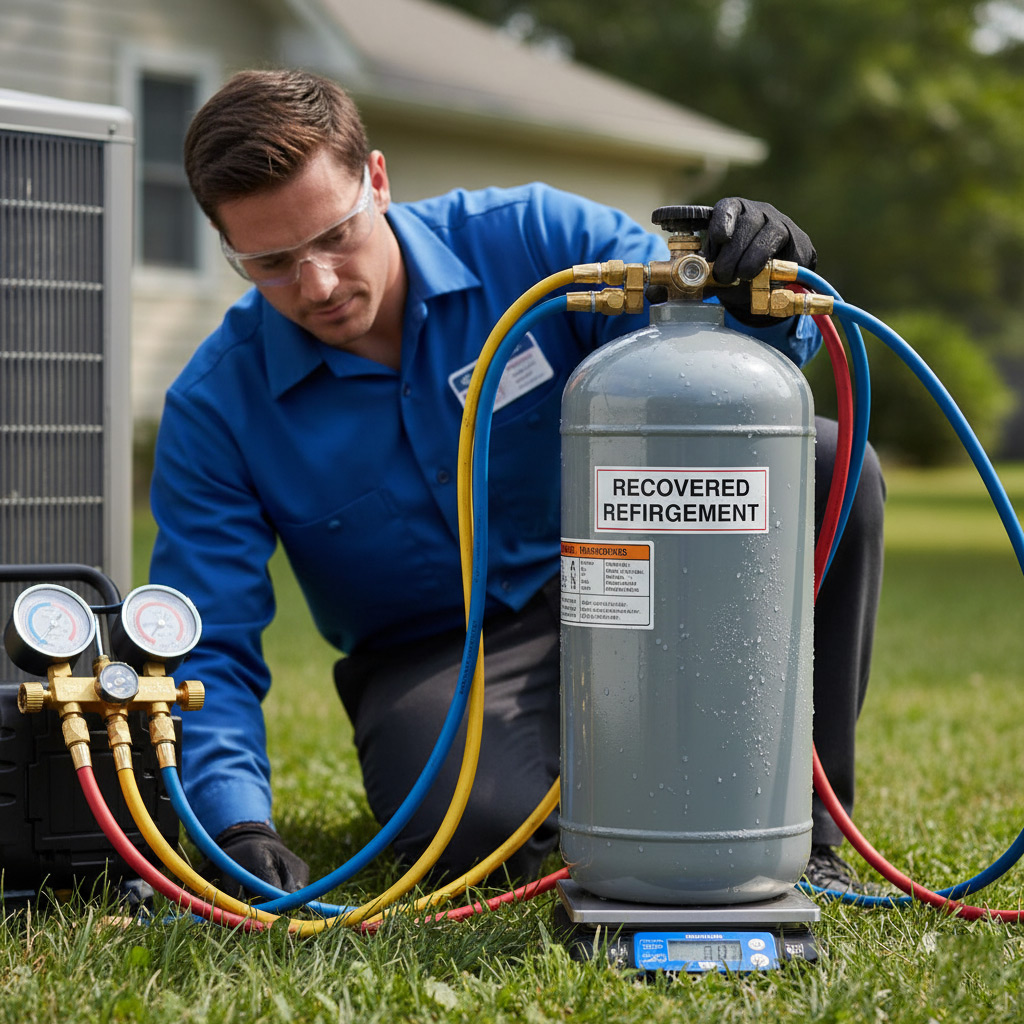
- Refrigerant: Verify the charge level during a professional tune‑up. Low refrigerant means the compressor works harder, driving up your bill.
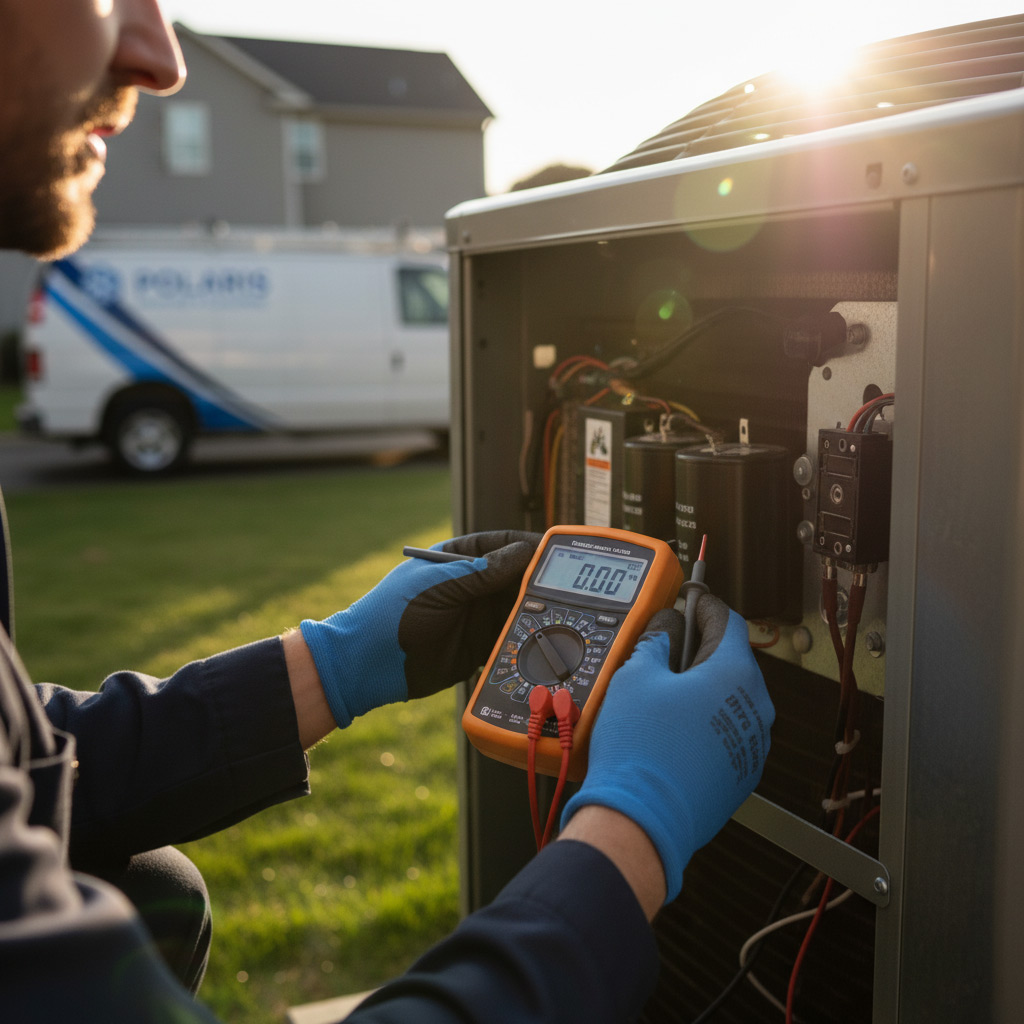
- Electrical: Tighten all terminal screws, inspect wiring for fraying, and test the capacitor. Loose or corroded connections can cause short trips.
- Thermostat: Calibrate the sensor, replace batteries, and ensure it’s set to “auto” for seasonal swings. A mis‑programmed thermostat wastes energy.
- Diagnostics: Run the system’s self‑test mode, listen for odd noises, and note any error codes. Early detection saves you from a midnight call‑out.
When you tick each box, you’re not just preventing a breakdown—you’re giving yourself confidence that the system will perform when the Texas heat rolls in. If anything feels off, it’s a clear sign to call a local McKinney pro before the next peak hits.
Efficiency, Costs, and Confidence: How a Pro Tune‑Up Impacts Bills and System Lifespan
When a certified tech rolls up their sleeves, the payoff shows up on your utility meter. A clean coil and properly charged refrigerant can shave 10‑15% off your monthly electricity bill, and that’s money you keep in your pocket instead of the grid’s. Think of it as a low‑cost insurance policy that pays dividends every time you flip the thermostat.
What the Numbers Say
- Average annual savings: $150‑$300 per household.
- System lifespan boost: 2‑5 extra years with regular tune‑ups.
- Repair avoidance: up to 40% fewer emergency calls during peak summer.
Beyond the dollars, a professional tune‑up gives you peace of mind. Knowing the blower motor, fan belt, and electrical connections have been inspected means you won’t be jolted awake by a sudden shutdown on a sweltering July night. That confidence translates into fewer sleepless evenings and a home that behaves exactly how you expect it to.
And here’s the kicker: the longer your unit runs efficiently, the less strain you put on the compressor. Less wear equals fewer costly part replacements, which keeps the overall cost of ownership low. In short, a $200 service today can prevent a $1,500 emergency repair tomorrow. That’s the kind of math every homeowner in McKinney should love.

Case Study: How Proactive Maintenance Prevented a July Breakdown for a McKinney Family
When the Martinez family called us in early May, they were gearing up for a scorching summer. Their 12‑year‑old split‑system had missed its last tune‑up, and the thermostat was acting like a temperamental teenager. We knew a quick check could save them from a July nightmare.
The Pre‑Summer Checklist That Made the Difference
Our technician ran through a tight, no‑fluff inspection:
- Filter swap – old filter was clogged to the point of choking airflow.
- Coil cleaning – dust and pollen had built up, reducing cooling efficiency.
- Refrigerant pressure check – low charge would have caused the compressor to overheat.
- Electrical tighten‑up – loose connections can spark a shutdown.
- Thermostat calibration – ensured the house stayed at the set temperature.
Each step took under 30 minutes, but the payoff was huge. The system ran 15% cooler, and the energy bill for June dropped by $45 compared to the previous year.
Come July 12, a neighbor’s unit sputtered and shut down under the 102°F sun. The Martinez unit kept humming, delivering crisp air without a hitch. Because they invested in a simple, proactive tune‑up, they avoided a costly emergency call and a night of sleepless heat.
DIY Maintenance Tips vs. Professional Support: What You Can Do Now and When to Call a Local Expert
What You Can Tackle Yourself
Most homeowners can keep the basics in check without a toolbox full of jargon.
Grab a ladder, a screwdriver, and a fresh filter. In under ten minutes you’ll:
- Replace or clean the air filter – the single biggest boost to airflow.
- Wipe the outdoor condenser coils with a garden hose – no pressure washer needed.
- Check the thermostat settings; make sure it’s on “auto” and not “on” all day.
These steps cost pennies and shave off a chunk of your energy bill.
When to Call the Pros
Some jobs demand more than a weekend warrior’s elbow grease.
If you notice any of these red flags, pick up the phone:
- Strange noises – rattling, squealing, or grinding.
- Weak airflow despite a clean filter.
- Frequent short‑cycling or the unit won’t stay on.
- Visible refrigerant leaks or frost on the coils.
A certified McKinney technician has the tools to test refrigerant pressure, calibrate sensors, and tighten electrical connections safely.
Balancing Act
Do the easy stuff, then let the experts handle the heavy lifting.
That combo keeps your system humming, your wallet happy, and your family comfortable when the Texas sun turns up the heat.
Conclusion
When you treat your HVAC system like a prized asset, the payoff shows up in cooler rooms, lower bills, and fewer emergency calls. Consistent maintenance is the cheap insurance policy that keeps the heat from catching you off guard.
Next Steps for a Trouble‑Free Summer
- Schedule a professional tune‑up before the first June heat wave.
- Swap out or clean filters every 30‑45 days during peak cooling.
- Inspect ductwork and seal leaks – a quick visual check can save you hundreds.
- Set a reminder for a mid‑season check‑in to verify refrigerant and electrical health.
Ready to lock in comfort? Reach out to a trusted McKinney HVAC partner today and ask about their HVAC maintenance packages – they’re the hidden heroes that keep your system humming.
People Also Ask
How often should I schedule HVAC maintenance in McKinney, TX?
A professional tune‑up is recommended twice a year—once before the hot summer and once before the chilly winter. This timing aligns with McKinney’s extreme temperature swings and helps catch issues early.What are the key signs that my HVAC system needs maintenance?
Watch for reduced airflow, unusual noises, higher energy bills, and inconsistent indoor temperatures. Any of these symptoms indicate it’s time for a professional inspection.Can I replace HVAC filters myself, and how often should I do it?
Yes, homeowners can replace filters; most experts suggest changing them every 30‑90 days depending on usage and filter type. In McKinney’s dusty climate, a 30‑day interval is often safest during peak summer.What benefits does a professional HVAC tune‑up provide over DIY cleaning?
A pro tune‑up includes refrigerant level checks, electrical safety testing, and comprehensive diagnostics that DIY tasks can’t cover. This thorough approach improves efficiency, lowers bills, and extends system lifespan.How much can regular HVAC maintenance save a McKinney homeowner on energy costs?
Routine maintenance can boost system efficiency by 10‑15%, translating to noticeable savings on monthly utility bills. Over the life of the unit, this can amount to hundreds of dollars in reduced energy expenses.
McKinney HVAC brings over 15 years of certified heating and cooling expertise to the McKinney community. Their team combines local knowledge with industry‑leading training to deliver reliable, energy‑efficient solutions for homes and businesses. Committed to responsive service, they prioritize comfort and safety for every client.
Need HVAC?
Could you clarify which services your company provides in McKinney, TX and surrounding areas?
Get a Fast HVAC Quote